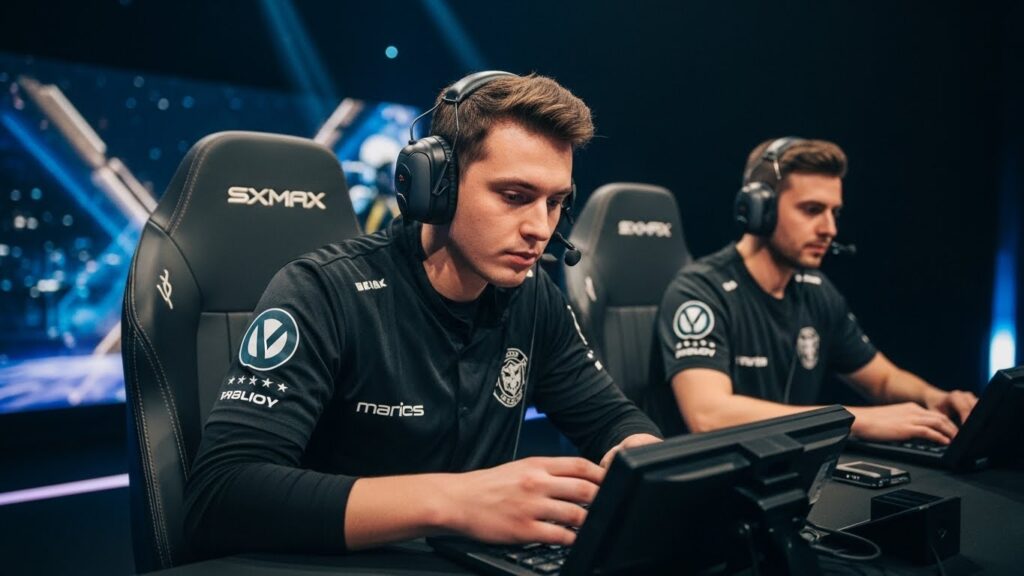

Introduction: The Rise of Competitive Gaming
Esports, once dismissed as a niche hobby for gamers, has evolved into one of the most influential competitive industries in the modern world. What began in small local tournaments has transformed into massive international events watched by millions. Today, esports rivals traditional sports in viewership, revenue, and cultural impact. It represents a new form of competition driven by skill, strategy, teamwork, and technology. More than just playing video games, esports is a structured, professional ecosystem that continues to reshape entertainment, careers, and global youth culture.
Understanding What Esports Really Is
Esports, short for electronic sports, refers to organized competitive video gaming where professional players or teams compete against each other in structured tournaments. These competitions span multiple genres including multiplayer online battle arenas, first-person shooters, real-time strategy games, sports simulations, and fighting games. Unlike casual gaming, esports demands high levels of discipline, training, strategic thinking, and teamwork. Players practice for hours each day, analyze opponents, and follow strict schedules much like athletes in traditional sports.
The Evolution from Arcades to Arenas
The roots of esports can be traced back to the early days of arcade gaming and home consoles. Friendly competitions among players slowly grew into organized events. As internet connectivity improved, online multiplayer gaming enabled players from different regions to compete in real time. This technological shift laid the foundation for global esports tournaments. Over the years, these events moved from small halls to packed stadiums, complete with live audiences, professional commentators, and elaborate stage productions. Esports has now firmly established itself as a spectator sport.
Popular Esports Genres and Their Appeal
Esports covers a wide variety of game genres, each attracting different types of audiences. Strategy-based games reward intelligence, planning, and coordination. Shooter games emphasize reflexes, precision, and situational awareness. Sports simulation games bridge the gap between traditional sports fans and gamers. Fighting games focus on individual skill and mastery. This diversity allows esports to appeal to a broad global audience, making it inclusive and adaptable across cultures and preferences.
The Professional Esports Player Lifestyle
Becoming a professional esports player requires far more than talent alone. Players follow intense training routines that include mechanical practice, strategy sessions, physical fitness, and mental conditioning. Many teams employ coaches, analysts, psychologists, and nutritionists to support player performance. Professional players must also manage pressure, public expectations, and constant competition. While the career can be rewarding, it is also demanding, requiring dedication and resilience to succeed at the highest level.
Esports Organizations and Team Structures
Esports organizations operate similarly to traditional sports franchises. They recruit players, manage contracts, secure sponsorships, and participate in leagues and tournaments. Teams often represent regions or brands and build loyal fan bases. These organizations invest heavily in player development, training facilities, and marketing. The professionalization of esports teams has brought structure, stability, and legitimacy to the industry, making it attractive to investors and sponsors worldwide.
The Role of Streaming and Digital Platforms
One of the key drivers behind esports growth is live streaming. Digital platforms allow fans to watch tournaments, follow their favorite players, and engage with the esports community in real time. Unlike traditional sports broadcasts, esports streams often include interactive features such as live chats, fan polls, and direct communication between players and audiences. This level of engagement creates a strong sense of community and loyalty that fuels the industry’s rapid expansion.
Esports as a Global Business Industry
Esports is no longer just entertainment; it is a thriving business ecosystem. Revenue streams include sponsorships, advertising, merchandise, media rights, ticket sales, and in-game purchases. Major global brands have entered the esports space, recognizing its ability to reach younger, digitally native audiences. The industry supports thousands of jobs, including event organizers, content creators, developers, marketers, and broadcasters. As esports continues to grow, its economic impact becomes increasingly significant.
Education and Career Opportunities in Esports
Beyond professional play, esports offers a wide range of career paths. Universities and educational institutions now offer esports-related programs, scholarships, and degrees. Careers exist in coaching, event management, broadcasting, game design, marketing, journalism, and data analysis. This expansion proves that esports is not a short-term trend but a sustainable industry with long-term opportunities for individuals with diverse skill sets.
Health, Wellness, and Performance Balance
One common misconception about esports is that it promotes unhealthy lifestyles. While excessive gaming can be harmful, professional esports emphasizes balance and wellness. Teams increasingly focus on physical exercise, proper nutrition, sleep, and mental health. Maintaining peak performance requires a healthy body and mind. The industry is gradually addressing issues such as burnout, stress, and posture-related injuries, reinforcing the importance of sustainable player development.
Cultural Impact and Youth Influence
Esports has become a powerful cultural force, especially among younger generations. It influences fashion, music, language, and social interactions. Esports stars are role models and influencers with massive online followings. The industry also promotes diversity and global connectivity, bringing together players and fans from different backgrounds. Through competition and collaboration, esports fosters teamwork, communication, and mutual respect across borders.
Challenges Facing the Esports Industry
Despite its success, esports faces several challenges. These include inconsistent regulations, player burnout, cheating, and financial instability for smaller teams. The rapid pace of growth sometimes outpaces governance structures. Additionally, game popularity can shift quickly, making long-term planning difficult. Addressing these challenges requires cooperation between developers, organizations, players, and governing bodies to ensure fair play, sustainability, and industry integrity.
The Future of Esports Competition
The future of esports looks promising and innovative. Advancements in technology such as virtual reality, augmented reality, and artificial intelligence may redefine how competitions are played and viewed. Increased mainstream acceptance, improved infrastructure, and global investment will continue to push esports forward. As traditional sports and esports increasingly collaborate, the line between digital and physical competition will continue to blur.
Esports and Mainstream Recognition
Esports is steadily gaining recognition from traditional sports institutions, media outlets, and governments. Major tournaments receive coverage similar to conventional sporting events. Some countries officially recognize esports athletes, while others invest in esports development programs. This recognition legitimizes esports as a serious competitive discipline and opens doors for further integration into mainstream culture.
Conclusion: A New Era of Competition
Esports is more than a trend; it is a defining element of modern competitive entertainment. It blends technology, skill, passion, and global connectivity into a unique form of sport that resonates with millions. From professional players and organizations to fans and aspiring careers, esports offers endless possibilities. As the industry matures, it will continue to shape how the world views competition, community, and digital innovation. Esports is not just the future of gaming; it is the future of sport itself.