
Beyond the Screen: How Esports Became a Global Phenomenon
Introduction
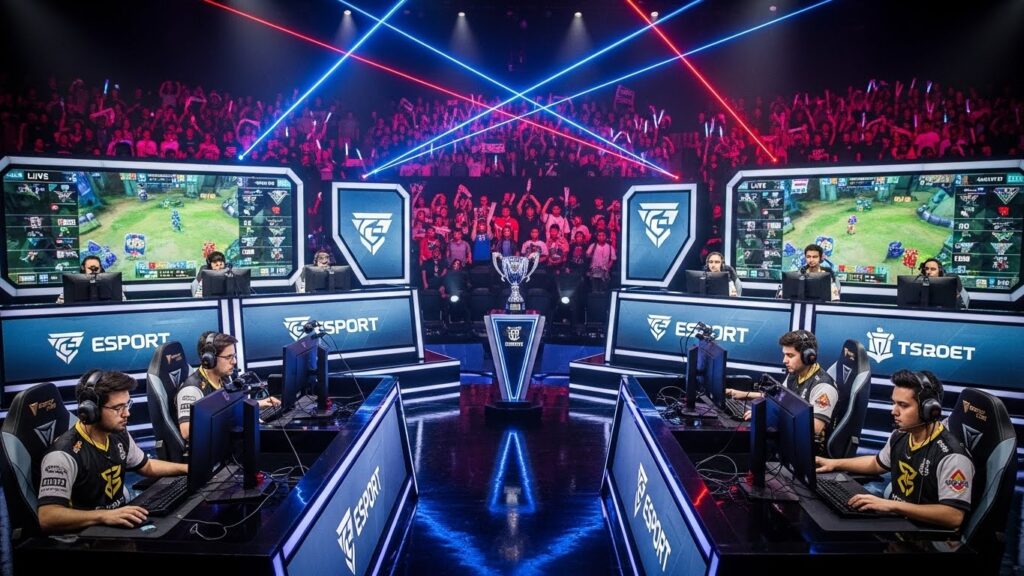
Esports has transformed from a niche hobby into one of the fastest-growing entertainment industries in the world. What began as small gatherings of gaming enthusiasts has grown into packed stadiums, multimillion-dollar tournaments, rapidly expanding organizations, and a global fan base that rivals traditional sports. This rise did not happen overnight. It is the result of evolving technology, passionate communities, and a new generation of competitors who treat gaming with the same discipline and dedication as professional athletes. In this blog, we explore how esports reached its current status, why it resonates with millions, and what lies ahead for this dynamic digital sport.
The Early Roots of Competitive Gaming
Long before esports became a global term, competitive gaming already existed. Early competitions in the 1980s and 1990s featured classic games that would become cultural landmarks. What made these early contests special was not the prize pool or production value but the sense of community. Players gathered in arcades, dorm rooms, and living rooms to test their abilities and share their passion for gaming. These early experiences laid the foundation for competitive gaming culture and showed that people were willing to invest time and energy into mastering games just as athletes master physical sports.
The Rise of Online Multiplayer Games
The real explosion of esports began with the arrival of online multiplayer games. When players could suddenly compete with others from around the world without leaving home, the gaming landscape changed forever. Games such as early first-person shooters, multiplayer strategy titles, and arena-based games allowed competition to flourish. Online environments encouraged players to constantly improve, and rankings became a measure of both skill and dedication. The accessibility of online play helped esports grow beyond local scenes and introduced competitive gaming to millions.
Professionalization of Esports
As games continued to evolve, so did the level of competition. What began as casual fun gradually developed into structured leagues, professional teams, and organized tournaments. With sponsors entering the industry, players gained salaries, coaches, analysts, and training facilities. The professionalization of esports elevated it to a new level of legitimacy. No longer seen simply as a pastime, competitive gaming became a career for many. Teams began scouting young talents, building long-term development programs, and treating gaming excellence with the seriousness of traditional sports.
The Power of Streaming and Digital Platforms
One key factor in esports’ rapid growth is the evolution of digital platforms that allowed fans to watch games live. Streaming services changed the entire ecosystem. Instead of relying on television broadcasts, esports events could reach global audiences instantly. Fans could watch players practice, communicate, and compete, all while interacting through chat features. This created a unique level of engagement that traditional sports rarely achieved. The accessibility of streams allowed anyone with an internet connection to become part of the esports community, helping the industry expand at an unprecedented pace.
The Appeal of Esports to Modern Audiences
Esports resonates with modern audiences for many reasons. It is fast paced, visually engaging, and always evolving. Unlike many traditional sports that follow long-standing rules, esports constantly introduces new strategies, characters, upgrades, and gameplay dynamics. Every match feels unpredictable, and every tournament brings fresh excitement. Beyond the gameplay, esports also appeals to people who connect with gaming culture. Fans appreciate the transparency of top players who often share their personal journeys, daily training routines, and struggles. The accessibility of esports combined with its emotional storytelling makes it deeply relatable.
The Role of Esports Organizations
Professional esports organizations have become the backbone of the industry. These teams do far more than simply assemble skilled players. They build brand identities, manage training facilities, secure sponsorships, and create content that keeps fans engaged year-round. Many organizations now resemble entertainment companies, producing videos, hosting events, and interacting with fans across social platforms. Their active involvement has helped legitimize esports as a structured, sustainable industry. They ensure players maintain peak performance while also cultivating loyal fan communities.
Esports as a Career Path
For younger generations, esports represents a new and exciting career possibility. Players can become professionals, coaches, analysts, commentators, or content creators. This wide variety of roles means that esports is not limited to those with exceptional in-game skills. Many students pursue degrees in esports management, event production, and gaming technology. Schools and universities now host esports teams, offering scholarships to talented players. This growing educational support shows how deeply esports has integrated itself into academic and career development spaces.
The Globalization of Esports
Esports is one of the few entertainment industries that truly thrives on a global scale. Tournaments feature international rosters, and fans across continents follow the same events and teams. This global reach is fueled by digital accessibility and shared gaming culture. It is not uncommon to see teams with players from multiple countries, unified by strategy and teamwork. This internationalism reflects a new era of sports where cultural boundaries matter less and digital connections matter more. Esports brings people together through competition, creativity, and shared enthusiasm.
The Economics of Esports
The financial landscape of esports has grown dramatically with investments from major companies, media networks, and venture capital firms. Prize pools for major events have reached staggering amounts, and sponsorship deals help support players and teams. Merchandise, advertising, streaming revenue, and event tickets contribute to a thriving economic ecosystem. The industry also creates employment opportunities in marketing, event planning, game development, and broadcast production. As revenues continue to rise, esports stands as a powerful force within the broader entertainment economy.
The Social and Cultural Impact of Esports
Esports has influenced culture in countless ways. Gaming slang, strategies, and personalities have become mainstream. Popular players often reach celebrity status, inspiring fans and shaping trends. Esports encourages teamwork, strategic thinking, and problem-solving skills. It has become a social hub where individuals connect, collaborate, and build friendships through shared interests. Esports also helps break down stereotypes, showing that competitive gaming requires discipline, focus, and dedication. Its cultural reach demonstrates the shifting values of modern society, where digital skills hold significant power.
Challenges Facing the Esports Industry
Despite its success, esports also faces challenges. Issues such as player burnout, team instability, financial sustainability, and regulatory inconsistencies still need attention. Many players begin competing at young ages, which can lead to pressure and long training hours. The industry must balance profit with player well-being to ensure long-term growth. Additionally, some regions lack standardized rules, making it difficult to maintain fair competition across international events. By addressing these challenges, esports can continue evolving while protecting its players and communities.
The Future of Esports
Looking ahead, esports is poised for continued expansion. Technological advancements such as virtual reality, augmented reality, and artificial intelligence offer exciting possibilities for future games and tournaments. As professional infrastructures grow, esports may become even more integrated with traditional sports organizations. Many countries are considering adding esports to athletic programs, and discussions about including it in large global competitions continue to grow. With new generations embracing gaming as a normal part of life, esports will likely remain a thriving cultural and competitive force.
Conclusion
Esports has journeyed from small gatherings of passionate gamers to a global entertainment powerhouse that captivates millions. Its rise is a testament to innovation, community, and the evolving connection between technology and competition. Whether you are a dedicated fan, a casual viewer, or someone discovering esports for the first time, there is no denying its impact on modern culture. As it continues to grow, esports will shape the future of entertainment, technology, and global sports in ways we are only beginning to understand.