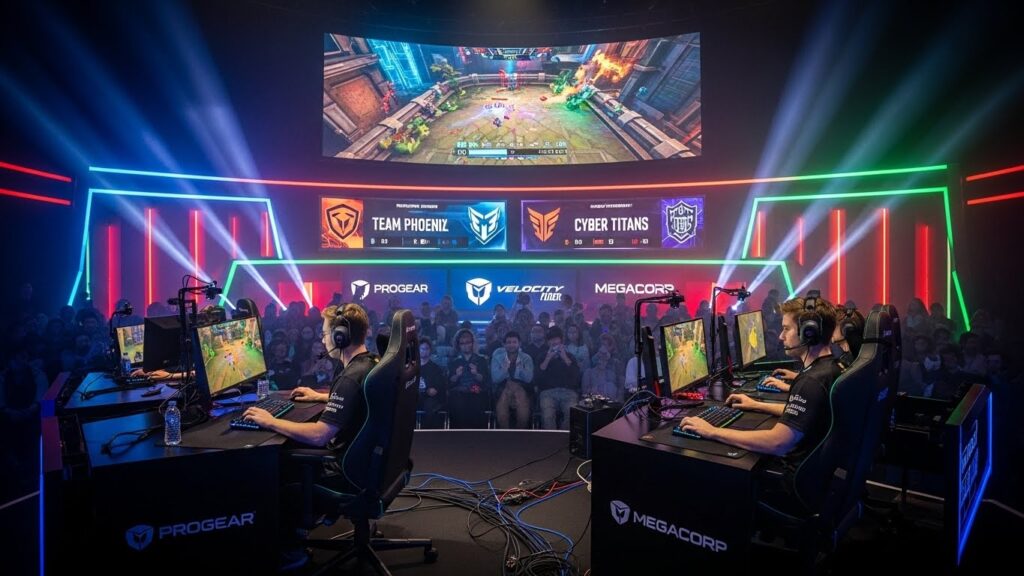

Introduction: Esports as a Modern Global Movement
Esports has grown from small gatherings of passionate gamers into a global competitive industry that rivals traditional sports in scale, influence, and cultural impact. Competitive gaming now fills stadiums, attracts millions of online viewers, and offers professional careers to players, coaches, analysts, and creators. What makes esports unique is not only the games themselves but the digital-first culture that surrounds them. It blends technology, entertainment, and community into a constantly evolving ecosystem. This blog explores how esports developed, why it resonates with a global audience, and where it is headed in the future.
The Early Foundations of Competitive Gaming
The origins of esports lie in the earliest days of video games, when competition was informal and driven by curiosity and skill. Arcade machines encouraged players to beat high scores, creating the first sense of digital rivalry. As home consoles and personal computers became widespread, local tournaments and small-scale competitions began to appear. Multiplayer games allowed players to compete directly rather than indirectly through scores. These early experiences laid the groundwork for organized competitive gaming by proving that games could be both social and competitive on a large scale.
The Transition From Hobby to Profession
Esports transformed dramatically with the rise of the internet. Online connectivity enabled players from different regions to compete instantly, eliminating geographical barriers. Organized leagues and international tournaments soon followed, turning casual competition into professional events. Prize pools increased, sponsors took interest, and players began training full time. This shift changed public perception, positioning esports as a legitimate profession rather than a simple hobby. Professional players adopted disciplined routines involving practice, strategy review, and physical fitness to maintain peak performance.
Popular Esports Genres and Competitive Identity
Esports is not defined by a single type of game but by a variety of genres that emphasize different skills. Strategy-based games reward teamwork, decision-making, and long-term planning. First-person shooters focus on precision, reflexes, and communication under pressure. Sports simulations mirror real-world athletics, appealing to fans of traditional sports. Battle royale games emphasize adaptability and survival instincts in constantly changing environments. This diversity allows esports to attract players and viewers with different interests, strengthening its overall appeal and longevity.
Team Dynamics and Player Development
Success in esports rarely depends on individual skill alone. Team-based games require coordination, trust, and strategic alignment. Professional teams invest in coaches and analysts who help players refine tactics and adapt to opponents. Communication is a critical skill, as split-second decisions can determine the outcome of a match. Player development also includes mental resilience, as competitive pressure can be intense. The most successful teams are those that balance mechanical skill with emotional control and teamwork.
Streaming and the Rise of Esports Personalities
Streaming has played a crucial role in the expansion of esports culture. It allows fans to watch competitions live and connect directly with players outside of tournaments. Many professional players and content creators build large audiences by sharing gameplay, commentary, and personal insights. This visibility humanizes competitors and strengthens fan loyalty. Streaming also creates additional income opportunities, making esports careers more sustainable and accessible beyond tournament winnings alone.
The Business and Economic Power of Esports
Esports has become a powerful economic force, generating revenue through sponsorships, merchandise, advertising, and live events. Brands partner with teams and tournaments to reach younger, digitally engaged audiences. Event organizers invest in production quality to create immersive experiences comparable to major sporting events. Cities and venues recognize esports as a driver of tourism and local economic growth. This financial ecosystem supports not only players but also a wide range of professionals working behind the scenes.
Esports and Global Community Building
One of the defining features of esports is its global community. Fans from different countries and cultures unite around shared interests in games and teams. Online platforms enable discussions, fan-created content, and real-time interaction during matches. Unlike traditional sports, esports communities often form around digital spaces rather than physical locations. This inclusivity allows esports to grow rapidly and adapt to cultural differences while maintaining a shared competitive spirit.
Technology as the Backbone of Esports
Technology is central to every aspect of esports. High-performance hardware ensures smooth gameplay, while reliable networks enable fair competition. Data analytics tools help teams study performance patterns and improve strategies. Broadcast technology enhances viewer experiences with real-time statistics, multiple camera angles, and immersive visuals. As technology advances, esports continues to evolve, offering new formats and experiences that push the boundaries of digital competition.
Education and Skill Development Through Esports
Esports is increasingly recognized for its educational value. Competitive gaming encourages critical thinking, teamwork, adaptability, and problem-solving. Educational institutions are incorporating esports programs to engage students and teach transferable skills. These programs also introduce students to careers in game design, production, and digital media. By combining learning with competition, esports offers a modern approach to education that aligns with digital-native generations.
Health, Balance, and Player Well-Being
As esports becomes more professional, attention to player health has grown. Long practice hours can lead to physical strain and mental fatigue. Teams are beginning to prioritize balanced routines that include physical exercise, proper nutrition, and mental health support. Awareness of burnout and stress management is increasing across the industry. A focus on well-being not only improves performance but also supports long-term career sustainability for players.
Challenges Facing the Esports Industry
Despite its growth, esports faces several challenges. Maintaining fair competition, managing player contracts, and ensuring ethical practices require ongoing attention. Rapid growth can lead to instability if organizations expand too quickly. There is also a need for consistent governance and clear standards across regions. Addressing these challenges is essential for maintaining trust among players, fans, and investors.
The Future Vision of Esports
The future of esports looks promising and dynamic. Mobile gaming is expanding competitive access, allowing more players to participate globally. Emerging technologies such as virtual environments and cloud-based gaming may redefine how competitions are played and viewed. Cross-industry collaborations with entertainment, education, and traditional sports will continue to blur boundaries. As esports matures, it is likely to become an even more integral part of global culture and digital life.
Conclusion: Esports as a Cultural and Competitive Force
Esports is more than competitive gaming; it is a reflection of how technology, creativity, and community intersect in the modern world. It offers new forms of entertainment, career opportunities, and global connection. As it continues to evolve, esports challenges traditional ideas of sport and competition while creating its own identity. The journey of esports is still unfolding, and its influence on culture, technology, and society is only beginning to be fully realized.