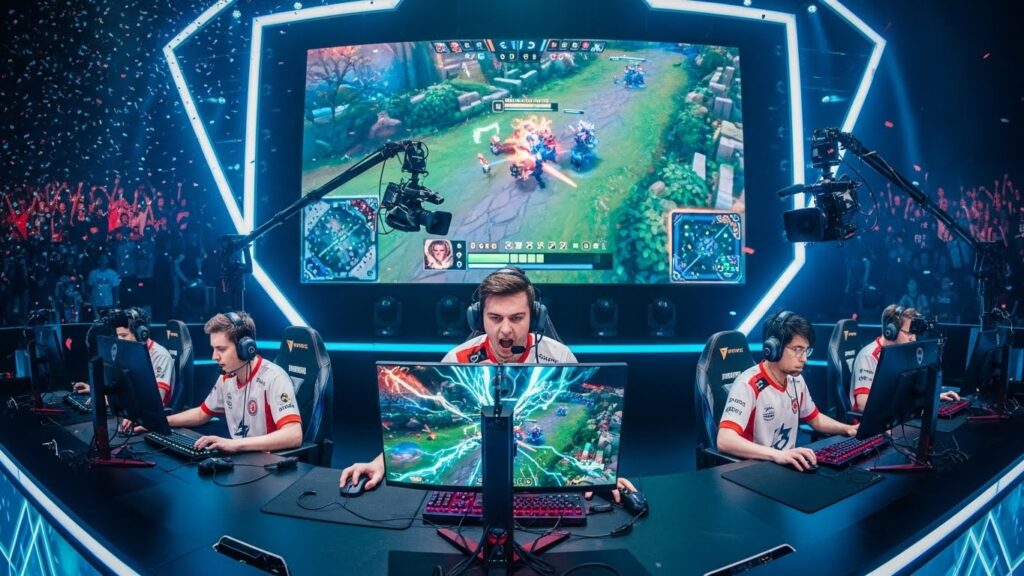

Introduction: A Digital Revolution
In the past decade, esports has transformed from a niche hobby into a global phenomenon. Once seen as a pastime for teenagers holed up in basements, competitive gaming has now entered mainstream culture, drawing millions of viewers, attracting corporate sponsorships, and creating career opportunities that were unimaginable a generation ago. Esports is no longer just about playing games; it is a carefully orchestrated sport with professional players, coaches, analysts, and even psychologists working to optimize performance. Its meteoric rise signals a shift in how society views competition, entertainment, and digital interaction.
The Evolution of Competitive Gaming
The origins of competitive gaming date back to the 1970s and 1980s when arcade competitions and early home console tournaments began to emerge. Games like Space Invaders, Pac-Man, and Street Fighter provided a foundation for competitive play. However, it was the advent of the internet and multiplayer online games in the late 1990s and early 2000s that truly ignited the esports explosion. Titles such as StarCraft, Counter-Strike, and Warcraft III introduced a level of strategy, teamwork, and skill that demanded professional-level dedication.
Fast forward to the 2010s, esports became a recognized industry. Platforms such as Twitch allowed players to stream live games to audiences worldwide, while tournaments began offering significant prize pools. Today, esports tournaments rival traditional sports in both spectacle and revenue, with events like The International for Dota 2 and the League of Legends World Championship drawing audiences in the millions.
The Structure of Modern Esports
Modern esports operates with a level of professionalism comparable to conventional sports leagues. Professional teams, much like football or basketball clubs, recruit players through scouting and training programs. These players undergo rigorous training schedules that include strategy sessions, reflex exercises, and performance analysis. Coaching staff play a crucial role, offering guidance on game mechanics, communication strategies, and mental conditioning.
The competitive scene is organized through leagues and tournaments, often sponsored by major corporations and streamed to global audiences. Games are categorized into different genres, including first-person shooters, real-time strategy games, battle royale, and multiplayer online battle arenas. Each genre attracts a unique fanbase, emphasizing the diversity and complexity of esports as a whole.
Esports and the Global Audience
One of the most remarkable aspects of esports is its global reach. Unlike traditional sports, which may be regionally popular, esports transcends geographical boundaries. Audiences tune in from Asia, Europe, North America, and beyond, drawn together by a shared passion for gaming. This global appeal has fueled the growth of esports as a cultural phenomenon, influencing fashion, music, and social media trends.
The demographics of esports fans are equally notable. While the stereotype of a teenage male gamer still exists, the reality is much broader. Women make up a significant portion of the audience, and viewership spans multiple age groups. Moreover, esports has become a family-friendly entertainment option, with many parents watching alongside their children. The sense of community built around esports events, both online and offline, is a testament to the social power of gaming.
Economic Impact of Esports
Esports has evolved into a multi-billion-dollar industry. Revenue streams come from sponsorship deals, media rights, merchandise, ticket sales, and in-game purchases. Corporate sponsorships from technology companies, energy drinks, and even traditional sports franchises demonstrate the industry’s mainstream appeal. Top esports athletes can earn substantial incomes through tournament winnings, streaming revenue, and endorsements, sometimes surpassing earnings in conventional sports.
The economic impact extends beyond players and teams. Cities hosting major tournaments experience a surge in tourism and local business activity. Universities are even beginning to offer esports scholarships, further solidifying gaming as a legitimate career path. In addition, the technology sector benefits from the growth of esports, as high-performance gaming hardware, software, and broadcasting tools are constantly in demand.
Challenges Facing Esports
Despite its growth, esports faces unique challenges. One of the most pressing issues is player burnout. Professional gamers often train for 8 to 12 hours daily, leading to physical and mental health concerns. Repetitive strain injuries, sleep disorders, and stress-related conditions are common among players. Organizations are increasingly recognizing the need for wellness programs and structured schedules to ensure long-term sustainability.
Another challenge is regulation. The esports industry is still relatively young, and the lack of standardized governance creates issues in areas such as player contracts, cheating, and intellectual property rights. Additionally, the perception of esports as a “real sport” is still debated, despite the skill, strategy, and dedication required. Combating stereotypes and ensuring fair play are ongoing battles for the industry.
The Cultural Influence of Esports
Esports has left a significant mark on global culture. It has inspired fashion trends, music collaborations, and media productions, bridging the gap between gaming and mainstream entertainment. Popular streamers and esports athletes often serve as cultural icons, influencing the tastes and behaviors of millions of fans.
Furthermore, esports has fostered inclusivity. Online gaming communities provide spaces where individuals from diverse backgrounds can interact, compete, and collaborate. Unlike traditional sports, barriers such as physical ability or geographical location are less restrictive, making esports a more accessible avenue for participation and fandom.
Education and Esports
The intersection of education and esports is a rapidly expanding area. Universities worldwide are establishing esports programs, offering courses in game design, sports management, and digital media. Some institutions even provide scholarships to skilled gamers, treating esports as a legitimate athletic pursuit. These programs prepare students for careers in gaming, marketing, broadcasting, and technology, highlighting the potential for esports to shape the workforce of the future.
Additionally, esports can teach valuable life skills. Strategic thinking, teamwork, communication, and adaptability are all critical components of competitive gaming. Students who engage with esports often develop leadership qualities and problem-solving abilities that are transferable to other professional environments.
The Future of Esports
Looking ahead, esports is poised for continued growth. Technological advancements such as virtual reality, augmented reality, and artificial intelligence are likely to revolutionize gameplay and spectator experiences. VR esports tournaments and AI-driven coaching tools could redefine how players train and compete.
Moreover, the integration of esports into mainstream media, including television broadcasts and sports networks, will further cement its cultural relevance. The potential for cross-industry collaborations, such as esports-themed movies, music videos, and merchandise, is virtually limitless. As more people recognize esports as a legitimate form of entertainment and competition, its influence will continue to expand across society.
Conclusion: More Than Just a Game
Esports is no longer confined to the digital world; it has become a global cultural movement with economic, social, and educational implications. From humble beginnings in arcades to stadium-filling tournaments broadcast worldwide, esports exemplifies the power of technology to reshape human interaction and competition.
As society continues to embrace gaming as a legitimate and influential medium, esports will continue to grow, innovate, and inspire. It represents not only a new form of entertainment but also a testament to human creativity, strategy, and the desire to connect in an increasingly digital world. Beyond the screen, esports is a cultural revolution that shows no signs of slowing down, offering opportunities and challenges that will shape the future for generations of gamers, spectators, and innovators alike.