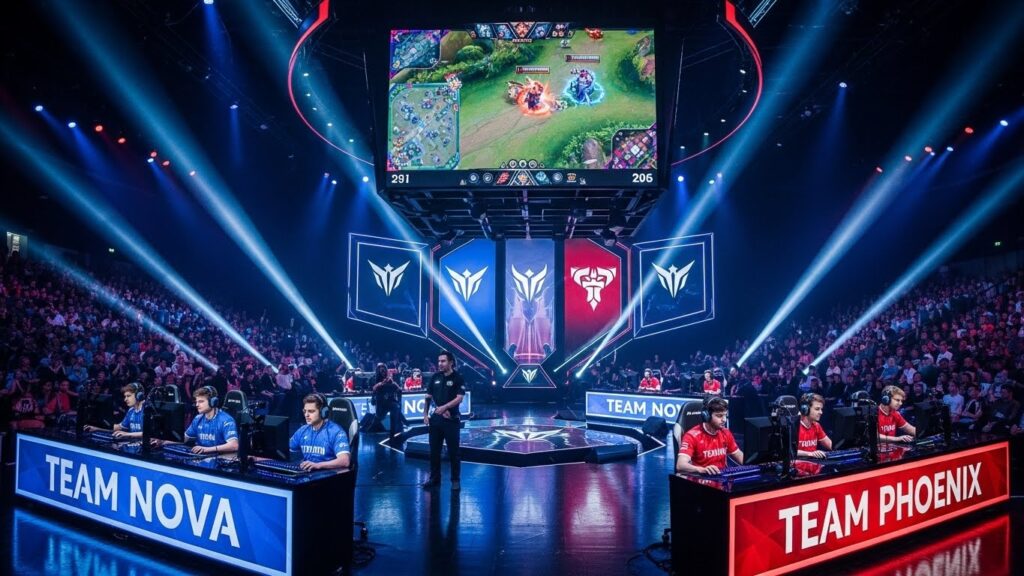

The rise of eSports has transformed the way the world views gaming. What was once a casual hobby for teenagers in basements has grown into a professional, multi-billion-dollar industry with players, teams, and leagues rivaling traditional sports. eSports has created a new form of entertainment, career opportunities, and global communities, making competitive gaming one of the most influential trends in modern digital culture. This article explores the evolution of eSports, the major game genres, technological innovations driving it, its societal and economic impact, challenges, and emerging trends shaping its future.
The Origins of eSports
Competitive gaming traces back to the early days of video games. In the late 1970s and early 1980s, events like the Space Invaders Championship drew thousands of participants, marking some of the first organized gaming competitions. The 1990s saw the rise of local and online multiplayer games such as Quake, Counter-Strike, and StarCraft, which fostered communities of players who competed in tournaments and honed their skills.
The introduction of high-speed internet in the 2000s transformed eSports from local competitions to global contests. Players could now compete in real-time with others around the world. Online forums, live streaming platforms, and video-sharing websites allowed fans to follow their favorite players and teams, creating a spectator culture that is central to modern eSports.
Key Genres in eSports
eSports is not limited to one type of game. Its diversity spans multiple genres, each with unique gameplay and competitive formats.
1. Multiplayer Online Battle Arenas (MOBAs)
MOBAs, including League of Legends and Dota 2, involve teams controlling characters with unique abilities to defeat opposing teams. These games require strategy, teamwork, and precision, making them staples of professional eSports tournaments.
2. First-Person Shooters (FPS)
FPS games such as Counter-Strike: Global Offensive, Call of Duty, and Valorant emphasize accuracy, reflexes, and tactical teamwork. FPS competitions are fast-paced and highly engaging for both players and viewers.
3. Real-Time Strategy (RTS) Games
RTS games like StarCraft II challenge players to manage resources, develop strategies, and execute complex plans in real-time. Success in these games demands multitasking, foresight, and adaptability.
4. Sports Simulation Games
Games like FIFA, NBA 2K, and Madden NFL simulate real-world sports, allowing players to compete in virtual leagues that mirror professional sports structures. These games attract both casual players and professional eSports athletes.
5. Fighting Games
Fighting games such as Street Fighter and Super Smash Bros. focus on one-on-one combat, emphasizing timing, reflexes, and strategy. Tournaments often feature intense matches that highlight player skill and precision.
6. Battle Royale Games
Games like Fortnite and Apex Legends feature large player pools where the last individual or team standing wins. These games combine survival strategy, resource management, and adaptability, offering thrilling competitions for participants and spectators.
Technological Advancements Driving eSports
Technology plays a crucial role in the growth and accessibility of eSports.
1. High-Speed Internet and Networking
Reliable, low-latency internet is essential for competitive play. Online matches demand precise synchronization to ensure fair competition and minimal lag.
2. Streaming Platforms
Streaming services have revolutionized eSports by allowing millions of fans to watch live gameplay from anywhere in the world. Commentators and interactive chat features enhance engagement and create a community-driven viewing experience.
3. Advanced Hardware
Professional eSports players rely on high-performance computers, gaming consoles, monitors with high refresh rates, and specialized peripherals like mechanical keyboards and gaming mice. These tools provide precision, speed, and responsiveness essential for competitive success.
4. Artificial Intelligence and Analytics
AI-driven analytics track player performance, analyze strategies, and provide insights that help teams improve. Coaches and analysts use these tools to optimize training and develop effective game plans.
5. Virtual Reality and Augmented Reality
While still emerging, VR and AR technologies offer immersive training and spectating experiences. VR simulations allow players to practice in realistic environments, while AR can enhance live tournaments with interactive visual elements.
eSports as a Professional Career
eSports is no longer just a hobby. It has evolved into a professional career with multiple avenues:
1. Professional Players
Top-tier players earn salaries, prize money, and sponsorships. They dedicate hours daily to practice, team coordination, and strategy development, much like athletes in traditional sports.
2. Coaches and Analysts
Coaches guide teams, develop strategies, and manage training schedules. Analysts use data to evaluate performance, identify weaknesses, and recommend improvements.
3. Broadcasters and Streamers
Commentators and streamers enhance the viewing experience, offering insights, entertainment, and interaction with fans. Popular streamers can become influential figures in the gaming community.
4. Event Organizers and Tournament Hosts
Organizers manage competitions, secure sponsorships, and ensure smooth execution of tournaments. They play a vital role in maintaining professional standards and audience engagement.
5. Game Developers
Developers design competitive games, balance mechanics, and release updates that keep the community engaged. Their work is essential to the sustainability and growth of eSports.
Societal Impact of eSports
eSports has a profound influence on society, culture, and entertainment.
1. Community Building
eSports connects players and fans globally, fostering collaboration, competition, and shared experiences. Online forums, social media groups, and fan events create strong communities centered around shared interests.
2. Educational Opportunities
Universities and colleges offer eSports scholarships and programs that teach teamwork, strategy, leadership, and digital skills. These programs provide pathways for players to pursue both academic and gaming careers.
3. Entertainment and Spectatorship
Millions of fans watch live tournaments, creating a thriving entertainment ecosystem. Events such as the League of Legends World Championship attract global audiences comparable to major traditional sporting events.
4. Economic Contributions
The eSports industry generates revenue through sponsorships, advertising, ticket sales, and merchandising. It also drives job creation in coaching, event management, content creation, and technology development.
5. Changing Perceptions
eSports has challenged traditional notions of sports and competition, emphasizing mental skill, strategy, and teamwork. It has helped normalize gaming as a legitimate professional pursuit.
Challenges in eSports
Despite its success, the eSports industry faces several challenges:
1. Accessibility and Infrastructure
Not all regions have access to the internet, gaming hardware, or competitive platforms, limiting participation. Expanding infrastructure is key to inclusivity.
2. Player Health and Wellbeing
Intense training schedules and high-pressure competition can lead to mental and physical health concerns. Wellness programs and responsible scheduling are essential.
3. Regulation and Fair Play
Cheating, hacking, and inconsistent rule enforcement remain challenges. Regulatory bodies and anti-cheat technologies are critical to maintaining competitive integrity.
4. Diversity and Inclusivity
eSports has historically been male-dominated. Increasing representation of women and marginalized groups is crucial for fostering diversity and broadening participation.
5. Monetization Ethics
Balancing revenue generation through sponsorships, in-game purchases, and advertising while maintaining fair competition and player satisfaction is an ongoing concern for developers and organizers.
Emerging Trends in eSports
The future of eSports promises innovation, growth, and new opportunities:
1. Mobile eSports
Mobile gaming is increasingly competitive, particularly in regions where access to PCs or consoles is limited. Mobile eSports tournaments are expanding globally.
2. Franchised Leagues
Professional eSports leagues are adopting franchising models similar to traditional sports, providing stability, organized competition, and consistent revenue streams.
3. Integration with Mainstream Media
Collaborations with television networks, social media, and streaming platforms expand eSports visibility and attract new audiences.
4. Virtual and Augmented Reality Competitions
VR and AR will introduce new immersive competition formats, enhancing both player training and viewer engagement.
5. Cross-Platform Play
Games supporting cross-platform competition increase accessibility and expand player communities, fostering global participation.
Conclusion
eSports has evolved from casual gaming into a global industry that combines competition, entertainment, and culture. With diverse game genres, technological innovations, and professional career paths, eSports has created a new form of digital entertainment that rivals traditional sports in scale and influence.
Its societal impact includes community building, education, economic growth, and changing perceptions of gaming. While challenges such as accessibility, player health, regulation, and diversity remain, the industry continues to innovate and expand. Emerging trends like mobile eSports, franchised leagues, VR competitions, and cross-platform play promise to shape the future of competitive gaming.
Ultimately, eSports represents the convergence of technology, skill, and culture, offering opportunities for players, audiences, and creators alike. As it continues to grow, it will redefine entertainment, professional sports, and digital culture for generations to come.