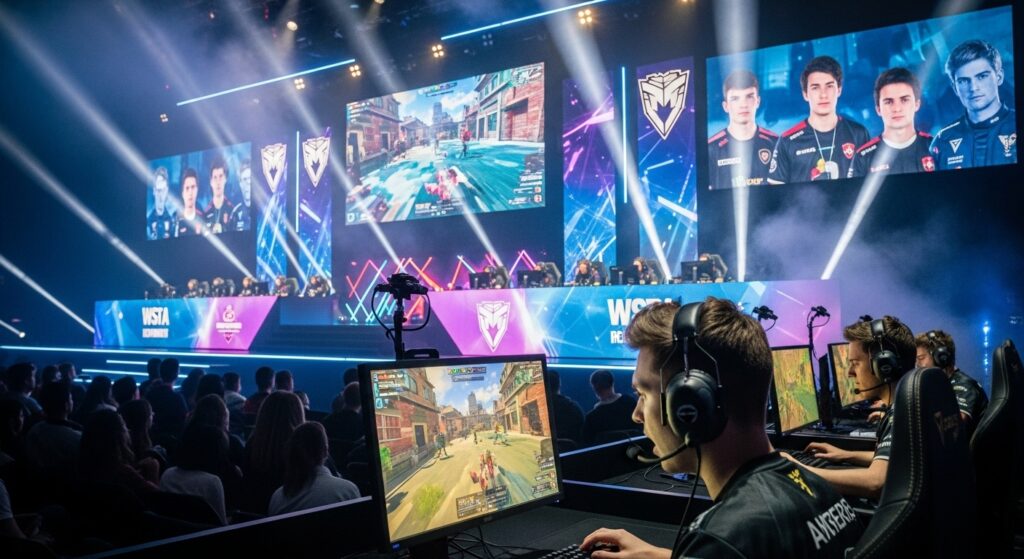

Esports Revolution: How Competitive Gaming is Shaping the Future
The Rise of Esports
Esports has transformed from a casual pastime into a professional, global phenomenon. What started as small gaming competitions in local communities has grown into an industry that attracts millions of players and spectators worldwide. Today, esports tournaments fill arenas, command large online audiences, and generate significant revenue, making competitive gaming a legitimate career path.
Understanding the Esports World
Esports is not just about playing games—it is a complex ecosystem. Professional players, coaches, analysts, tournament organizers, and content creators all contribute to its growth. Popular games include first-person shooters, real-time strategy games, multiplayer online battle arenas, and sports simulations. Tournaments are now highly organized events, complete with live audiences, professional commentary, and global streaming.
Why Esports Appeals to Millions
The appeal of esports lies in its accessibility and competitive excitement. Unlike traditional sports, anyone with an internet connection can watch, participate, or train to compete professionally. The fast-paced action, strategic gameplay, and teamwork required make esports thrilling for players and spectators alike. Moreover, online communities foster social interaction, giving fans a sense of belonging and connection.
The Role of Technology in Esports
Technology drives every aspect of esports. High-speed internet, advanced gaming hardware, and streaming platforms make global competition possible. Emerging innovations like virtual reality and AI-assisted coaching are redefining gameplay and training. Live streaming platforms allow fans to interact with players and watch events in real-time, making esports more engaging than ever before.
Challenges Facing the Industry
Despite its rapid growth, esports faces several challenges. Professional players often endure physical and mental strain due to long practice hours and high competition pressure. Regulatory issues, including fair play, contracts, and prize distribution, also present obstacles. Addressing these challenges is essential for the long-term sustainability and credibility of the industry.
The Future of Esports
The future of esports looks promising. Educational institutions are introducing esports programs, traditional sports organizations are investing in competitive gaming, and global media coverage continues to expand. With technological advancements and growing popularity, esports is poised to become an integral part of entertainment, inspiring the next generation of players and innovators.
Conclusion
Esports is more than gaming—it is a cultural movement redefining competition, entertainment, and community in the digital age. Its growth demonstrates the power of skill, strategy, and dedication in virtual arenas. As the industry continues to evolve, esports will not only captivate audiences but also shape the future of global entertainment.