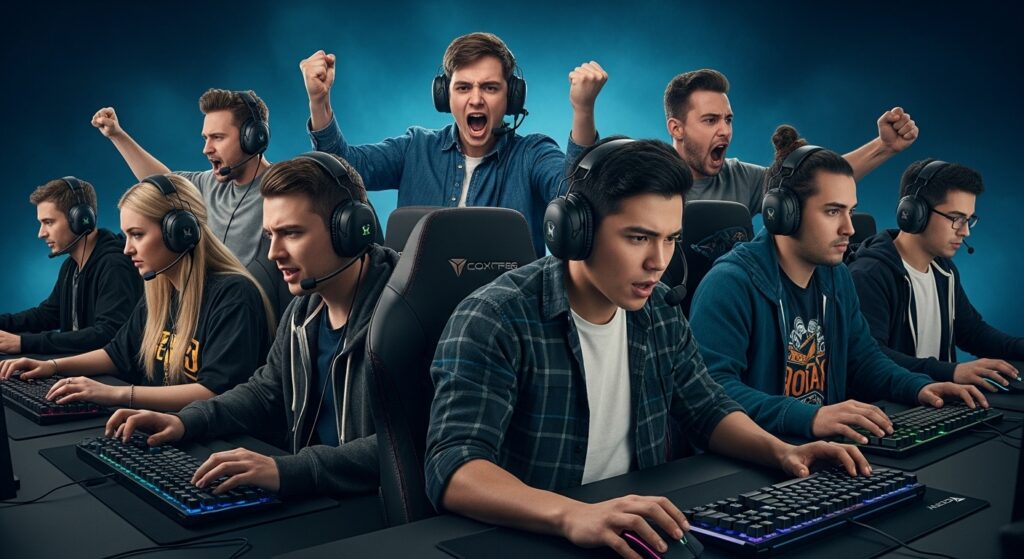

Esports Revolution: The Digital Arena of Modern Competition
Esports has evolved from a niche hobby into a worldwide phenomenon. Competitive gaming now draws millions of players and fans, with professional tournaments offering significant prizes and recognition. It is no longer just a pastime—it is a legitimate form of sport, entertainment, and even career opportunity.
What is Esports?
Esports, short for electronic sports, involves organized competitions in video games. Players or teams compete in various genres, including strategy, first-person shooters, and sports simulations. Unlike casual gaming, esports demands skill, strategy, teamwork, and consistent practice.
Professional players train for hours daily to perfect their gameplay, analyze opponents, and develop strategies. This dedication has transformed gaming into a professional and highly competitive field.
The Popular Games in Esports
Esports encompasses a wide range of games, each attracting a dedicated fan base:
-
Multiplayer Online Battle Arenas (MOBAs): Games like League of Legends and Dota 2 require teamwork, strategy, and tactical decision-making.
-
First-Person Shooters (FPS): Titles such as Counter-Strike and Call of Duty focus on accuracy, reflexes, and coordination.
-
Battle Royale Games: Fortnite and PUBG emphasize survival skills, adaptability, and strategy in large-scale competitions.
-
Sports Simulations: FIFA and NBA 2K bring traditional sports into the digital world, merging athletic skill with gaming strategy.
Each genre tests different skills, making esports diverse and appealing to a broad audience.
The Growth of the Esports Industry
Esports has seen exponential growth in recent years. Major tournaments are now held globally, attracting millions of viewers and offering prize pools in the millions. Streaming platforms allow fans to watch live matches, interact with players, and participate in gaming communities.
The industry also includes sponsorships, advertising, and merchandise, creating a multi-billion-dollar ecosystem. This growth has made esports a viable career path for professional players, coaches, analysts, and content creators.
Benefits of Esports
Beyond entertainment, esports offers numerous benefits. It enhances cognitive skills, including problem-solving, strategic thinking, and multitasking. Team-based games foster communication, collaboration, and leadership.
Esports also provides career opportunities in professional play, streaming, event management, and game development. For many, it transforms a passion for gaming into a sustainable profession.
Challenges in Esports
Despite its popularity, esports faces challenges. Professional players often deal with burnout, eye strain, and the physical demands of long hours of gameplay. Maintaining a balanced lifestyle is essential for long-term success.
Regulation is another concern. While tournaments have rules, there is no global governing body to ensure consistency in standards, player rights, and fair play. Addressing these issues is crucial for sustainable growth in the industry.
The Future of Esports
The future of esports is promising. Emerging technologies like virtual reality, augmented reality, and cloud gaming are making competitions more immersive and accessible. Esports may expand into education, skill development, and interactive entertainment, bridging gaming with real-world applications.
As global audiences and investments continue to rise, esports is set to become an even more prominent part of digital culture. Its combination of skill, strategy, and technology ensures that competitive gaming will remain a dynamic and evolving field.
Conclusion
Esports has transformed from a casual hobby into a professional, global phenomenon. It entertains millions, develops valuable skills, and offers exciting career opportunities. With technology and innovation driving its growth, esports continues to redefine competition in the digital age. The rise of esports is not just a trend—it is the future of modern gaming and interactive entertainment.