
Introduction: The Digital Arena Comes Alive
Esports has emerged as one of the most significant cultural phenomena of the 21st century. Once considered a pastime for casual gamers, competitive gaming has grown into a professional ecosystem with millions of fans, players, and organizations worldwide. The industry has revolutionized entertainment, created new career paths, and connected communities across borders. Understanding esports requires more than recognizing its popularity; it demands an appreciation for its complexity, economic significance, and cultural influence.
This blog delves into the rise of esports, the mechanics of the industry, its cultural impact, challenges, and the promising future of competitive gaming.
The Humble Beginnings of Esports
Esports traces its roots back to the early days of video games. In the 1970s, arcade competitions, such as high-score contests for games like Space Invaders and Pac-Man, captured local attention. These competitions laid the groundwork for organized competitive gaming by fostering rivalries and community engagement.
The 1990s marked the beginning of structured tournaments. Games like StarCraft, Quake, and Counter-Strike became popular competitive platforms. South Korea became a hub for esports during this time, particularly with StarCraft, where televised matches and dedicated esports cafes popularized professional gaming. The era highlighted the potential for gaming to transcend casual play, setting the stage for esports as a legitimate industry.
The Explosion of Esports Viewership
One of esports’ most remarkable aspects is its massive global audience. Millions of fans tune in to watch players and teams compete in real time. Unlike traditional sports, esports leveraged online platforms for broadcasting, allowing fans to engage with matches, interact with commentators, and follow players directly. Streaming platforms revolutionized the way audiences consume content, providing accessibility that traditional television could not match.
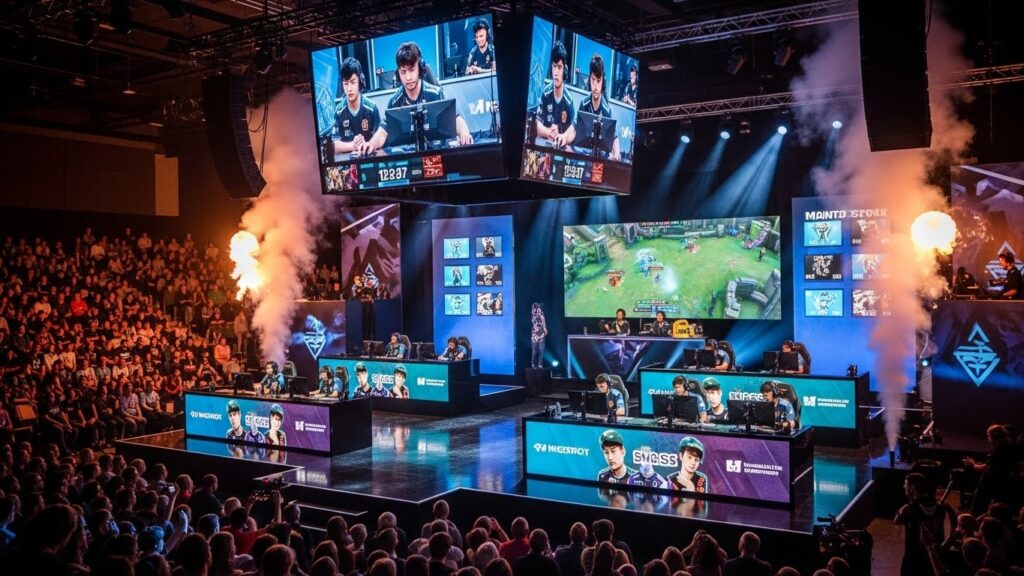
Esports events now rival major sporting events in viewership. Global tournaments for games like League of Legends, Dota 2, and Call of Duty attract audiences in the tens of millions. The live energy, strategic complexity, and high stakes of these competitions create a unique entertainment experience, blending the intensity of sports with the creativity of gaming.
Professional Gamers: Athletes of the Digital Era
Esports athletes are no longer hobbyists—they are professionals in every sense of the word. Their training schedules can rival traditional athletes, encompassing hours of gameplay, strategy sessions, physical conditioning, and mental preparation. These players require sharp reflexes, analytical thinking, teamwork, and the ability to perform under pressure.
Professional gamers often work with coaches, analysts, and support staff to optimize their performance. Nutrition, mental health, and physical fitness are essential components of success. The dedication and discipline required reflect the professional nature of esports, highlighting its legitimacy as a career path.
Esports Organizations: Building the Industry Infrastructure
Behind successful players are professional esports organizations that operate like traditional sports franchises. These organizations manage multiple teams, provide salaries and housing, and invest in training facilities. They negotiate sponsorships, organize events, and cultivate fan communities.
Organizations have transformed esports from informal competitions into a structured, professional ecosystem. Some have multi-million-dollar training facilities equipped with advanced gaming setups, fitness areas, and coaching staff. These organizations not only support players but also drive industry growth, shaping the competitive landscape and setting standards for professionalism.
The Economics of Esports
Esports is a thriving economic powerhouse. Revenue streams include tournament prize pools, sponsorships, merchandising, streaming revenue, and media rights. Large corporations across diverse industries invest in esports, recognizing its ability to reach younger, tech-savvy audiences.
Prize pools for major tournaments can exceed millions of dollars, attracting top talent from around the world. Sponsorships from technology, apparel, automotive, and lifestyle brands have become central to the industry’s growth. Universities and educational institutions are now offering esports scholarships, demonstrating the financial and cultural legitimacy of competitive gaming.
Technological Advancements Fueling Growth
Esports’ growth is closely tied to technological innovation. High-speed internet, advanced gaming hardware, and powerful processors have enabled smooth gameplay and global competitions. Gaming peripherals like high-precision mice, mechanical keyboards, and high-refresh-rate monitors enhance competitive performance.
Streaming technology has also revolutionized the industry. Platforms allow for global broadcasts, real-time audience interaction, and content monetization. This accessibility has helped esports reach diverse audiences, bridging gaps between players, fans, and organizations worldwide.
Cultural Impact: Esports Beyond Gaming
Esports has significantly influenced youth culture and society at large. Professional gamers have become role models, inspiring careers in competitive play, content creation, and technology. Communities formed around esports foster social interaction, teamwork, and shared identity.
Esports also promotes skills that extend beyond gaming, including strategic thinking, multitasking, communication, and leadership. These competencies are valuable in education, business, and personal development. The cultural reach of esports demonstrates its impact beyond mere entertainment.
Diversity in Game Genres
One of the strengths of esports is its diversity. Various game genres offer multiple competitive experiences and cater to different player and audience preferences. Popular esports genres include:
-
Multiplayer Online Battle Arenas (MOBA) where strategy and teamwork dominate
-
First-Person Shooters (FPS) emphasizing reflexes, precision, and coordination
-
Real-Time Strategy (RTS) requiring long-term planning and resource management
-
Fighting Games showcasing individual skill and reflexive decision-making
-
Sports Simulations replicating real-world athletic competitions
Each genre cultivates its own fanbase, competitive rules, and iconic players, adding depth and variety to the esports ecosystem.
Challenges Facing the Industry
Despite rapid growth, esports faces several challenges that must be addressed for sustainable development.
Player Health and Burnout
Intense training schedules and high-pressure competition can lead to physical and mental fatigue. Esports organizations are increasingly focusing on wellness programs to prevent burnout and promote longevity.
Career Longevity
Esports careers tend to be shorter than traditional sports, often ending in the early twenties. Many organizations now assist players in transitioning to coaching, management, or content creation.
Regulation and Fair Play
With numerous games, regions, and tournaments, establishing uniform rules and governance remains challenging. Ensuring fairness, transparency, and anti-cheating measures is crucial for credibility.
Community Management
Toxicity and negative behavior in online communities are persistent issues. Moderation, mental health support, and community guidelines are necessary to maintain healthy engagement.
The Future of Esports
The future of esports is bright and full of potential. Emerging technologies such as virtual reality, augmented reality, and artificial intelligence promise to redefine competitive gaming. Esports may integrate more immersive experiences, interactive fan participation, and hybrid events that combine physical and digital elements.
Global investment continues to grow, with more cities building dedicated esports arenas and institutions offering professional programs. As the industry evolves, esports is poised to become an even more significant cultural and economic force, influencing entertainment, technology, and social interactions on a global scale.
Conclusion: Esports as a Defining Force in Modern Culture
Esports has moved far beyond its humble beginnings. It is now a professional, culturally influential, and economically powerful industry. From individual gamers to global organizations, from small tournaments to stadium-filling events, esports has proven that digital competition can captivate audiences on a massive scale.
The industry’s growth reflects broader societal shifts toward technology-driven entertainment, interactive media, and global connectivity. Esports empowers players, entertains audiences, and builds communities, demonstrating the transformative power of digital culture. As technology and creativity continue to evolve, esports will remain a defining force in the landscape of modern entertainment.