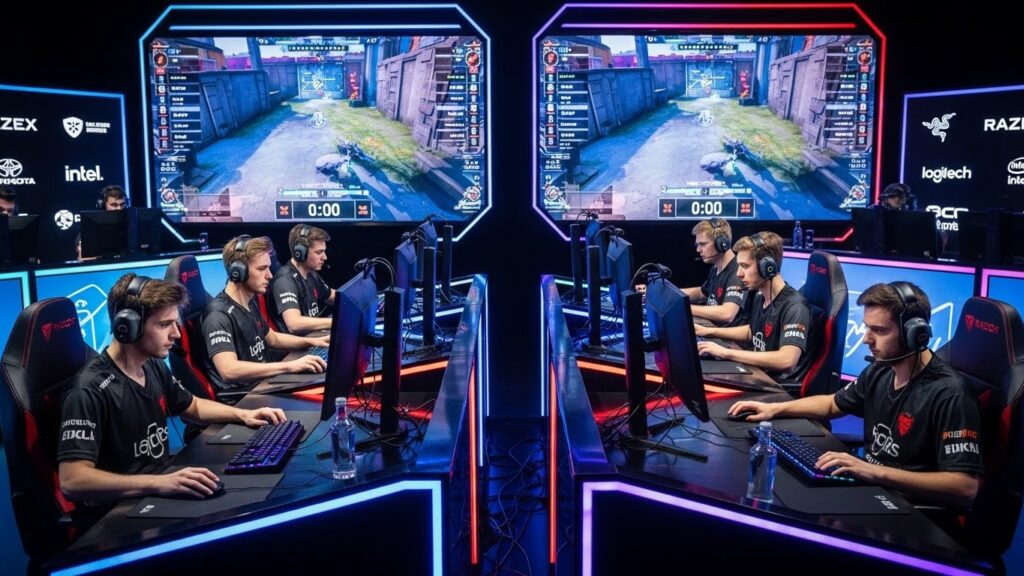

Introduction: When Gaming Became a Global Stage
What once started as casual competition among friends has transformed into one of the most influential entertainment industries in the world. Esports, or electronic sports, has grown from small arcade tournaments into massive global spectacles watched by millions. Stadiums fill with fans, professional players sign million-dollar contracts, and entire careers are built around competitive gaming. Esports is no longer a niche hobby; it is a cultural and economic force shaping how people play, watch, and engage with digital competition.
Understanding Esports: More Than Just Playing Games
Esports refers to organized, competitive video gaming where individuals or teams compete at a professional level. These competitions are structured, rule-based, and often governed by leagues, tournament organizers, and game publishers. Unlike casual gaming, esports requires intense training, strategic planning, teamwork, and mental resilience. Players specialize in specific games, mastering mechanics, tactics, and decision-making at a level comparable to traditional professional athletes.
A Brief History of Competitive Gaming
The roots of esports can be traced back to the early days of video games, when small competitions were held in arcades and university campuses. Over time, advancements in internet connectivity allowed players from different regions to compete online. The early 2000s marked a turning point as organized leagues and international tournaments began to emerge. With the rise of live streaming and digital media, esports gained unprecedented visibility, paving the way for its rapid expansion into mainstream entertainment.
Popular Esports Titles and Their Impact
Different esports games dominate different regions and audiences, each contributing uniquely to the ecosystem. Multiplayer online battle arenas emphasize strategy and teamwork, first-person shooters reward precision and reflexes, while sports simulation games bridge the gap between traditional sports fans and gamers. These titles are not just games but platforms for storytelling, rivalries, and community building. Their continuous updates and evolving metas keep competitions fresh and engaging for both players and spectators.
The Life of a Professional Esports Player
Behind the glamour of tournaments and prize money lies a demanding lifestyle. Professional esports players often train for many hours a day, focusing on mechanics, communication, and strategy. They review gameplay footage, work with coaches, and maintain strict schedules. Mental health, stress management, and physical fitness have become increasingly important as the industry recognizes the toll of high-level competition. For many players, the career span is short, making discipline and long-term planning essential.
Esports Organizations and Team Culture
Esports teams function much like traditional sports clubs. They have owners, managers, coaches, analysts, and support staff. These organizations invest heavily in talent development, branding, and fan engagement. Team culture plays a critical role in performance, as trust and communication often determine success. Rivalries between teams add drama and excitement, turning matches into must-watch events and fostering deep loyalty among fans.
The Role of Streaming and Digital Media
Streaming platforms revolutionized esports by making competitions accessible to anyone with an internet connection. Fans can watch live matches, follow their favorite players, and interact in real time. Content creation has become a vital part of the esports ecosystem, allowing players to build personal brands beyond tournaments. This constant connection between players and audiences has helped esports grow faster than many traditional sports ever did.
Economic Growth and Career Opportunities
Esports is not only about players; it supports a wide range of careers. Event organizers, commentators, analysts, marketers, designers, and software developers all contribute to the industry. Sponsorships, advertising, merchandise, and media rights generate significant revenue. Educational institutions now offer esports programs, recognizing its potential as a legitimate career path. This economic growth shows that esports is more than entertainment; it is a thriving business ecosystem.
Esports and Global Culture
One of esports’ greatest strengths is its global nature. Players from different countries compete on equal footing, connected by technology rather than geography. International tournaments celebrate diversity and cultural exchange, bringing together fans from all backgrounds. Esports has also influenced fashion, music, and language, shaping youth culture worldwide. It has become a shared digital language for a new generation.
Challenges Facing the Esports Industry
Despite its success, esports faces several challenges. Issues such as player burnout, lack of standardized regulations, and financial sustainability for smaller teams remain concerns. Cheating, match-fixing, and online toxicity threaten the integrity of competition. Additionally, balancing rapid growth with long-term stability is an ongoing struggle. Addressing these challenges is crucial for esports to mature responsibly.
Esports and Education
Educational institutions are increasingly embracing esports as a learning tool. Schools and universities form teams, host tournaments, and integrate gaming into curricula. Esports helps develop skills such as teamwork, problem-solving, communication, and strategic thinking. Scholarships and academic programs legitimize esports in the eyes of parents and educators, bridging the gap between gaming and education.
The Future of Esports
The future of esports looks promising as technology continues to evolve. Advancements in virtual reality, augmented reality, and artificial intelligence may redefine how competitions are played and viewed. As audiences grow and infrastructure improves, esports could become as culturally significant as traditional sports. The industry’s ability to innovate while maintaining competitive integrity will determine its long-term success.
Conclusion: A Digital Arena Here to Stay
Esports represents a fundamental shift in how competition and entertainment are experienced. It blends technology, creativity, and human skill into a dynamic global phenomenon. From grassroots communities to sold-out arenas, esports continues to redefine what it means to be an athlete and a fan in the digital age. As it evolves, esports is not just shaping the future of gaming but the future of global entertainment itself.