
Introduction
In the past two decades, esports has transformed from small-scale LAN gatherings into a global industry rivaling traditional sports in both popularity and profitability. Central to this meteoric rise are the prize pools that keep shattering records year after year. What was once considered extraordinary—say, a $100,000 grand prize—has now become relatively modest compared to multimillion-dollar payouts in tournaments like The International for Dota 2, Fortnite World Cup, or PUBG Global Championship.
But why do these prize pools keep getting bigger? What drives the financial momentum behind competitive gaming, and how do organizers, publishers, sponsors, and fans contribute to the phenomenon? This blog post explores the mechanics, motivations, and consequences of ever-growing esports prize pools, offering insights into the past, present, and future of this fascinating trend.
A Brief History of Prize Pools in Esports
To understand why prize pools are increasing, we must first look at their humble beginnings.
- 1990s – The Pioneer Days
The earliest gaming competitions, like the Nintendo World Championships in 1990, had prizes such as trophies, cars, and small cash awards. The focus was more on prestige than profit. - Early 2000s – The $100K Barrier
With the rise of competitive titles like Counter-Strike, Warcraft III, and StarCraft, esports saw prize pools regularly cross into six-figure territory. Events like the World Cyber Games and Electronic Sports World Cup offered players their first taste of substantial earnings. - 2010s – Million-Dollar Milestones
The turning point came in 2011 when Valve announced The International with an unprecedented $1.6 million prize pool. This event single-handedly changed the perception of esports rewards, setting a new benchmark for future tournaments. - 2020s – Multimillion-Dollar Era
By now, multimillion-dollar prize pools are the norm for many flagship tournaments. The International 2021 peaked at over $40 million, while Fortnite’s 2019 World Cup distributed $30 million across its competitors. The scale continues to grow as esports cements itself in mainstream culture.
Key Factors Driving Larger Prize Pools
1. Game Publisher Investment
Publishers like Valve, Riot Games, and Epic Games view large prize pools as a marketing strategy. Funding tournaments with multimillion-dollar rewards is not just about rewarding players—it’s about attracting viewers, generating headlines, and cementing their games as cultural phenomena.
For example:
- Riot Games invests heavily in League of Legends World Championship, though its model focuses more on steady, consistent payouts than record-breaking single events.
- Epic Games used the Fortnite World Cup as a global spectacle, not only rewarding players but ensuring the game stayed at the center of public conversation.
2. Crowdfunding and Community Contribution
Valve pioneered a unique model with The International. By selling in-game cosmetics through the Compendium or Battle Pass, they allowed fans to directly contribute to the prize pool. A portion of every sale goes toward the tournament’s total prize money.
This model has been wildly successful because it:
- Engages the player base in supporting esports.
- Creates a sense of ownership for fans.
- Scales infinitely depending on community spending.
The result? Prize pools skyrocketing beyond what publishers could sustain alone.
3. Sponsorship and Corporate Backing
Brands ranging from Intel and Red Bull to Louis Vuitton and Gucci are now investing in esports. These partnerships bring in advertising revenue that often bolsters prize pools. Corporations see esports audiences—young, digital-native, and global—as ideal consumers, making sponsorship money flow more freely into tournaments.
4. Media Rights and Streaming Revenue
The battle for streaming rights between platforms like Twitch, YouTube, and Facebook Gaming has added another layer of financial muscle. Some deals, like Activision-Blizzard’s $160 million deal with YouTube for Overwatch League and Call of Duty League, free up resources that can enhance tournament structures, including prize pools.
5. Global Audience Growth
The esports audience is expected to surpass 640 million by 2025. With this growth comes higher advertising revenue, bigger merchandise sales, and stronger justification for massive prize pools. Organizers use large payouts as a way to ensure these audiences keep coming back.
Psychological and Marketing Power of Large Prize Pools
Why do large prize pools matter so much?
- Headlines and Publicity
“$40 million prize pool” is a headline that gets attention worldwide, even among people who don’t follow gaming. - Legitimacy
The bigger the payout, the more esports seems comparable to traditional sports. A multimillion-dollar tournament stands shoulder to shoulder with events like Wimbledon or the Masters. - Player Motivation
Life-changing sums of money attract not only professional players but also new aspirants, feeding the competitive scene with fresh talent. - Community Excitement
Fans feel more invested in an event that’s billed as historic. Crowdfunding models amplify this excitement because fans feel responsible for making the prize pool massive.
The Downside of Ever-Growing Prize Pools
While enormous prize pools are impressive, they are not without drawbacks:
- Unbalanced Ecosystems
When one tournament overshadows all others financially, it can destabilize the competitive scene. For instance, The International prize dwarfs all other Dota 2 events, making the rest of the circuit feel less significant. - Sustainability Concerns
Relying on crowdfunding may not always guarantee steady growth. If community interest wanes, so too will the prize pool. - Pressure on Players
Huge sums raise stakes to extreme levels, leading to stress, burnout, and sometimes toxic competition. - Overemphasis on Money
Focusing too heavily on prize pools may distract from other important aspects of esports, like stability, player welfare, and competitive balance.
Case Studies of Record-Breaking Prize Pools
The International (Dota 2)
- Largest prize pool in esports history: over $40 million in 2021.
- Community-driven funding model has made it a phenomenon.
- However, creates imbalance since most of the year’s earnings are tied to one tournament.
Fortnite World Cup (2019)
- $30 million total prize pool.
- Solo winner “Bugha” walked away with $3 million at age 16.
- Showed the mainstream media that esports could produce household names.
League of Legends World Championship
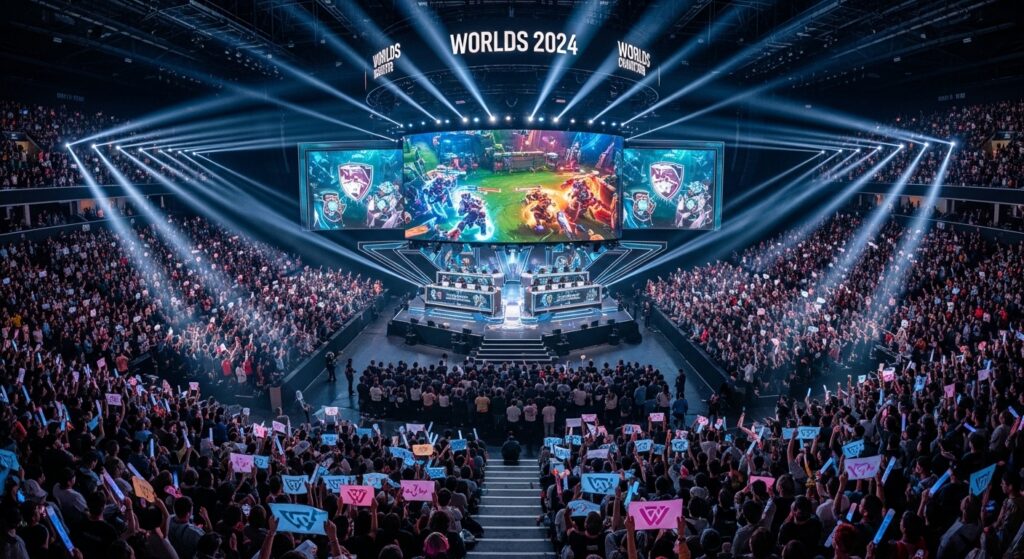
- Prize pools smaller compared to TI, but Riot invests heavily in production, venues, and sustainability.
- Riot’s model prioritizes consistent salaries and franchised leagues rather than one giant payout.
The Role of Streaming and Digital Economy
Prize pools benefit from the digital-first nature of esports:
- Twitch Donations & Subscriptions: While not directly tied to prize pools, they help sustain organizations and players, indirectly supporting larger payouts.
- In-Game Microtransactions: Cosmetics, skins, and digital passes are powerful tools to fund prize pools.
- NFTs and Blockchain: Some organizers experiment with blockchain-based rewards and fan tokens to support tournaments.
Regional Trends
- North America: Big brands and sponsorships fuel prize pools.
- Asia: Esports is deeply integrated into culture; prize pools grow due to massive audiences.
- Europe: A balanced mix of sponsorships and community-driven funding.
- Emerging Markets: In places like South America, the Middle East, and Africa, prize pools are growing as local ecosystems develop.
The Future of Prize Pools
Looking ahead, several trends could shape how prize pools evolve:
- Hybrid Models
Publishers may combine steady base funding with community-driven contributions to create both sustainability and hype. - Player Salaries vs. Prize Pools
Franchised leagues may prioritize salaries and revenue sharing, reducing reliance on giant prize pools. - Global Sponsorship Expansion
As more non-endemic brands enter esports, prize pools could become even larger. - Integration with Metaverse and Web3
Future tournaments may feature blockchain-powered prize systems, fan-driven crowdfunding with NFTs, or decentralized funding models. - Balancing Growth and Stability
The challenge will be ensuring that prize pools grow sustainably without destabilizing ecosystems.
Conclusion
Prize pools in esports are not just about rewarding players—they’re about marketing, community engagement, legitimacy, and growth. They keep getting bigger because they work: they excite fans, attract media attention, motivate players, and validate esports as a true global phenomenon.
But as with any fast-growing industry, balance is key. Prize pools will need to evolve in ways that ensure long-term sustainability for players, teams, and tournaments alike.