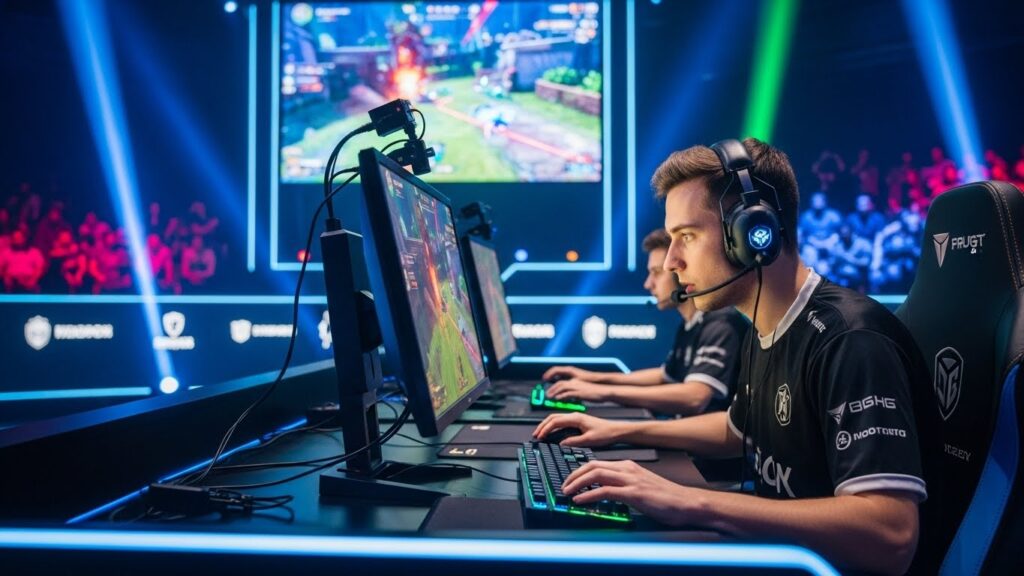

The Digital Arena: How Esports Became the New Global Sporting Phenomenon
Esports has transformed from a niche hobby into a worldwide powerhouse that attracts millions of viewers, professional athletes, global brands, and massive investments. What began as friendly gaming competitions in dorm rooms and arcades has evolved into sold-out stadium events, international tournaments, and a thriving industry that rivals traditional sports. In this blog, we will explore the evolution, impact, culture, and future of esports, and understand why it has become one of the biggest entertainment movements of the modern era.
The Rise of Esports: From Casual Play to Global Fame
The journey of esports began several decades ago when video games first appeared in arcades and home consoles. But during its early years, gaming was mainly viewed as recreational. Competitive gaming existed, but it took place on a small scale with little recognition. However, as internet technology improved and multiplayer games became more sophisticated, the stage was set for a competitive revolution.
Online gaming allowed players from different parts of the world to compete directly with one another. This connectivity transformed gaming from a local pastime into a worldwide network of competitive communities. Events that were once casual gatherings evolved into organized tournaments with structured rules, scoring systems, and eventually prize pools.
By the late 2000s, esports had gained significant traction, and games such as real-time strategy titles, first-person shooters, and battle arenas established themselves as staples of competitive play. What truly pushed esports into the global spotlight was the emergence of streaming platforms, which made it possible for fans to watch matches live from anywhere. Suddenly, players had audiences numbering in the millions, and esports entered a new era of recognition and opportunity.
Why Esports Captures the Modern Audience
One of the most compelling reasons behind the immense growth of esports is how it aligns with the habits and interests of digital-age consumers. Today’s audiences value accessibility, interactivity, and communities built around shared experiences. Esports delivers all of these components effortlessly.
Watching esports is free and easy. Fans can tune in on their phones, laptops, or televisions. The matches are fast-paced, entertaining, and packed with strategy and excitement. Unlike traditional sports, esports does not require physical location or high costs to participate. This makes it accessible to people across all socioeconomic backgrounds.
Another major factor is the strong sense of community. Esports fans interact directly with streamers, athletes, and teams through live chats, social platforms, and community events. This level of engagement creates a bond that is rare in traditional sports. Gamers and fans feel like they are part of something larger, supporting their favorite teams just as passionately as supporters of any major sports league.
The Structure of Esports: Teams, Leagues, and Superstar Players
Esports is not a single game but a collection of competitive ecosystems. Each game typically has its own leagues, tournaments, teams, and fan bases. This diversity gives esports a unique identity compared to traditional sports that often revolve around a single type of athletic competition.
Teams in esports operate much like professional sports organizations. They recruit talented players, train them, and provide resources such as coaches, analysts, nutritionists, and performance specialists. Major organizations manage multiple teams across different games, creating brand identities that transcend a single title. Players within these organizations often become celebrities, recognized globally for their skill, personality, and influence.
The tournaments themselves vary in size and structure. Some are seasonal leagues with regular matches, while others are massive annual championships featuring teams from around the world. Prize pools can reach multimillion-dollar figures, and sponsorships from tech companies, beverage brands, and global corporations fuel the growth even further.
The Cultural Influence of Esports
Esports is much more than competitive entertainment. It has become a major cultural force influencing fashion, music, technology, and social interaction. Gaming culture has entered mainstream society, with esports athletes collaborating with musicians, celebrities, and brands. Merchandise featuring team logos and player names is now as popular as traditional sportswear.
Streaming culture also plays a significant role. Many esports athletes stream their gameplay, creating an intimate connection with their fans. These streams are filled with humor, skill demonstrations, and personal moments that let viewers feel closer to the players. Content creators and streamers have become as influential as professional athletes, blurring the lines between entertainment and competition.
In addition, esports has become a gateway for career development in digital fields. Aspiring individuals now pursue roles in shoutcasting, event management, content creation, game design, and analysis. Esports has created a vast ecosystem of opportunities, making it a legitimate and respected industry.
The Technology Driving Esports Forward
The progress of esports is closely tied to advancements in technology. High-speed internet, powerful gaming hardware, and innovative software have all contributed to an increasingly immersive and competitive environment. Developers design games with esports in mind, including spectator modes, balanced competitive mechanics, and tools for broadcasting.
Virtual reality and augmented reality are emerging as future game-changers for esports. These technologies aim to transform the gaming experience into something even more interactive and dynamic. Improved streaming technology also allows fans to watch games in ultra-high definition, track statistics in real time, and interact with personalized viewing features.
As 5G networks expand globally, mobile esports is expected to skyrocket in popularity. Mobile competitive games already attract massive audiences in many regions, and improved connectivity will make this format even more accessible.
The Positive Impact of Esports on Society
Esports has made significant contributions beyond entertainment. It has created economic growth, educational opportunities, and social benefits. Universities now offer scholarships for esports athletes, treating competitive gaming with the same seriousness given to traditional sports. High schools and colleges incorporate esports programs to teach teamwork, leadership, and problem-solving.
Esports also builds global connections. Players from different cultures, languages, and backgrounds unite through a shared passion for competition. This creates a sense of global community and promotes cross-cultural understanding.
For many individuals, esports offers a safe and inclusive environment. People who may not excel in physical sports can find confidence, teamwork, and identity within esports communities. The focus on strategy, communication, and skill allows diverse groups to participate on equal footing.
Challenges That Esports Must Overcome
Despite its success, esports faces several challenges that must be addressed for sustainable growth. One major issue is player health. Professional gamers often train for long hours, leading to physical and mental health concerns. Organizations are increasingly introducing wellness programs, but more awareness and support are needed.
Another challenge is maintaining fair competition. Cheating, match manipulation, and unethical behavior can damage esports’ credibility. Strict regulations, transparent rules, and improved monitoring systems are essential to protect the integrity of the sport.
Additionally, the fast-changing nature of games means that esports ecosystems can shift rapidly. Titles that are popular today may lose relevance in a few years. For organizations and players, adapting to these changes requires flexibility and innovation.
The Future of Esports: A New Era of Digital Competition
The future of esports looks incredibly promising. As technology continues to advance, the boundaries of competitive gaming will expand. More countries are recognizing esports as an official sport, which will lead to increased funding, training programs, and international competitions.
We may see esports integrated into global multi-sport events, and virtual arenas may become as prominent as physical stadiums. Youth interest in esports continues to grow, ensuring a strong and passionate audience for generations to come.
The blending of technology, entertainment, and sports makes esports one of the most dynamic industries in the world. It represents the evolution of digital culture, offering endless possibilities for creativity, connection, and competition.
Conclusion
Esports has reshaped the landscape of modern entertainment and athletic competition. What started as friendly gaming sessions has grown into a global empire powered by passion, innovation, and community. Its influence reaches across industries, cultures, and generations. Whether you are a player, a fan, or a curious observer, the world of esports invites you to witness its excitement, strategy, and future potential. As this digital arena continues to evolve, it is clear that esports is not just a trend but a lasting cultural and sporting phenomenon.