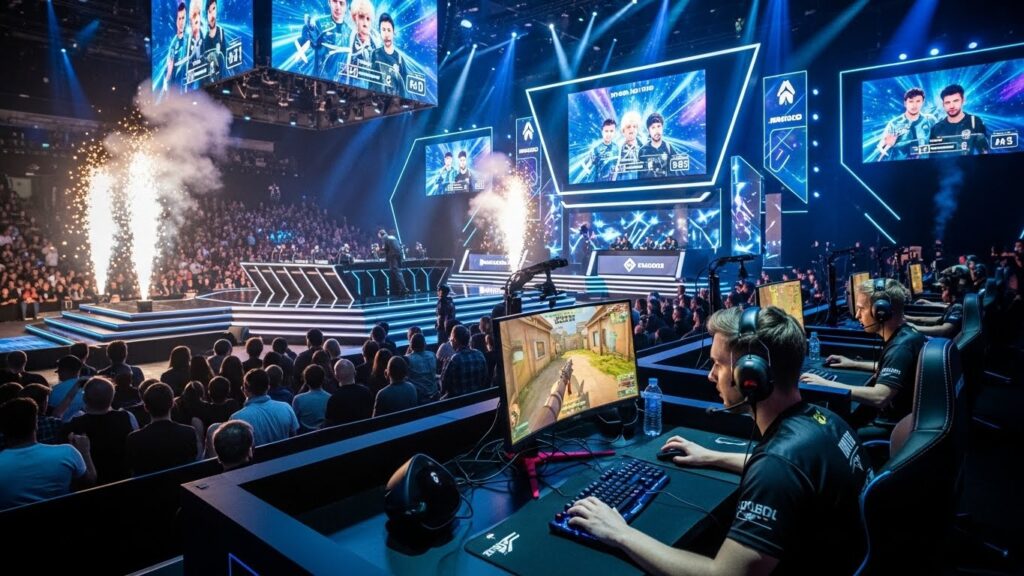

The Digital Arena: How Esports Became the New Global Sporting Phenomenon
Esports has transformed from a niche subculture into a global spectacle that rivals traditional sports in scale, influence, and passion. What was once a small gathering of arcade competitors has grown into an industry that fills stadiums, generates billions in revenue, and inspires dreams for young players around the world. Today, the digital arena is one of the fastest-growing entertainment sectors, blending skill, technology, and community into a phenomenon unlike anything the world has seen before.
Below is a deep dive into how esports evolved, why it resonates so strongly with modern audiences, and what the future might hold for this electrifying digital battleground.
The Rise of Competitive Gaming
Competitive gaming has existed for decades, but the term esports gained traction only in the last 15 to 20 years. The early days featured small tournaments for classic games, yet the passion among players was unmistakable. As gaming hardware improved, internet access expanded, and multiplayer features became mainstream, competitive gaming naturally evolved into a more structured and wide-reaching activity.
The turning point came when developers and organizers realized there was an enormous appetite for professional-level play. Leagues and tournaments were introduced, offering prize pools that changed the perception of gaming forever. What many once considered a pastime became a legitimate career path for skilled players and a thrilling form of entertainment for spectators.
Why Esports Captivates a Global Audience
Esports appeals to millions for several reasons. First, the games themselves are incredibly dynamic and visually engaging. Competitive titles often involve fast-paced action, deep strategy, and rapid decision-making. This creates the same adrenaline rush spectators experience in traditional sports.
Second, esports is a universal language. Regardless of nationality or background, players and viewers can connect through the shared experience of a match. Fans can understand the excitement of a clutch play, the tension of overtime, or the satisfaction of a perfectly executed strategy, even without speaking the same language.
Finally, the accessibility of esports has helped it flourish. Anyone with a device and internet connection can watch professional matches or even try competing at amateur levels. That sense of inclusiveness—combined with a digital-first format perfectly suited for streaming platforms—has driven unprecedented growth worldwide.
Esports Titles That Dominate the Scene
The esports industry spans many game genres, each offering its own style of competition. Several titles have risen to the top and built enormous fanbases across continents.
First-person shooters offer intense tactical gameplay that keeps spectators on the edge of their seats. Multiplayer online battle arena games feature complex strategies, team coordination, and dramatic swings in momentum. Sports simulation titles bring virtual versions of real-world sports into the competitive arena, giving fans another way to enjoy their favorite activities.
These games thrive because they balance accessibility with depth. Casual players can enjoy them for fun, while experts can dedicate years to mastering their mechanics. This balance ensures a steady supply of new followers and aspiring competitors ready to join the fray.
Life as a Professional Esports Athlete
Becoming a professional esports athlete requires far more than talent alone. Players must train rigorously, often practicing for hours a day to refine their reflexes, understand game updates, and analyze opponents. Mental endurance is just as crucial as mechanical skill, as matches can be mentally draining and emotionally intense.
Many esports teams now operate similarly to traditional sports teams. They employ coaches, analysts, nutritionists, and mental-health professionals to create an environment that supports players’ performance and well-being. The expectations surrounding athletes—both in-game and in public—also continue to grow, as fans follow their favorite stars closely.
Despite the glamorous appearance of big winnings and celebrity status, the life of a pro player is challenging. However, for those who thrive under pressure and love the competition, esports offers an incredibly rewarding path.
The Role of Streaming and Online Platforms
Streaming platforms have played a major role in the rise of esports. They allow fans to watch matches live, interact with players, and become part of a vibrant digital community. These platforms enable anyone to broadcast their gameplay, giving aspiring talents a chance to showcase their skills to a global audience.
What sets esports apart from televised sports is its immediate connection between fans and creators. Viewers can comment in real time, ask questions, and even support players financially through digital means. This engagement has created loyal communities that extend far beyond the matches themselves.
Streaming also helped esports break traditional barriers to entry. Instead of needing expensive tickets or local broadcasts, fans can enjoy world-class matches from anywhere. This democratization of viewership is a major factor in esports’ explosive growth.
The Business of Esports
The business side of esports is diverse and quickly evolving. Revenue comes from several channels, including sponsorships, merchandise, tournament winnings, advertising, and team branding. Major companies, both from within the gaming industry and outside it, invest in esports to reach younger audiences who spend significantly more time online.
Esports organizations now operate like major sports franchises, complete with marketing departments, training facilities, and global branding strategies. Some teams even expand into different games, building multi-title brands with millions of followers.
At the same time, tournament organizers create massive events that attract global attention. These competitions often draw viewership numbers that rival traditional sports finals, highlighting the immense business potential of this digital field.
How Esports Has Influenced Culture
Esports has become a cultural force across entertainment, fashion, education, and even social identity. Gaming influencers often amass huge followings, shaping trends in humor, technology, music, and lifestyle. Collaborations between esports teams and fashion brands have introduced streetwear collections, while educational institutions now offer scholarships and courses dedicated to esports management.
The cultural influence extends to younger generations, who see esports as both entertainment and a potential career. Streaming, content creation, and competitive play have become legitimate avenues for building a livelihood in the digital world.
Building Communities Through Gaming
Community is one of the most powerful aspects of esports. Fans don’t just watch matches; they form friendships, join online clans, and share their enthusiasm across platforms. Games become social spaces where people from around the world connect and collaborate.
Tournaments also foster a sense of belonging. Watching players from different countries compete generates national pride, while team-based games encourage a feeling of unity among fans. This communal energy strengthens the industry and adds emotional depth to every match.
Challenges Facing the Esports World
Despite its rapid growth, esports faces several challenges. Player burnout is one of the biggest issues, as the competitive schedule and pressure can be overwhelming. Maintaining physical and mental health remains a priority, and organizations continue to refine their player support systems.
Another challenge lies in creating consistent global standards. Rules, tournament structures, and prize distributions can vary widely across games and regions. Establishing clearer guidelines may help stabilize the industry as it matures.
Additionally, as esports expands, it must navigate issues such as cheating prevention, fair play, youth protection, and financial transparency. Addressing these concerns will strengthen trust among fans, players, and investors.
The Future of Esports
The future of esports is incredibly promising. Advancements in technology, including virtual reality, augmented reality, and artificial intelligence, may reshape how games are played and viewed. New genres will emerge, and existing games will evolve to keep fans engaged.
Esports may also gain more recognition from mainstream institutions. Discussions about esports joining global multi-sport events have already begun, highlighting its growing legitimacy. More universities will invest in esports programs, cultivating the next generation of players, coaches, and industry professionals.
With the world becoming increasingly digital, esports is positioned to remain a leading form of competitive entertainment for decades to come.