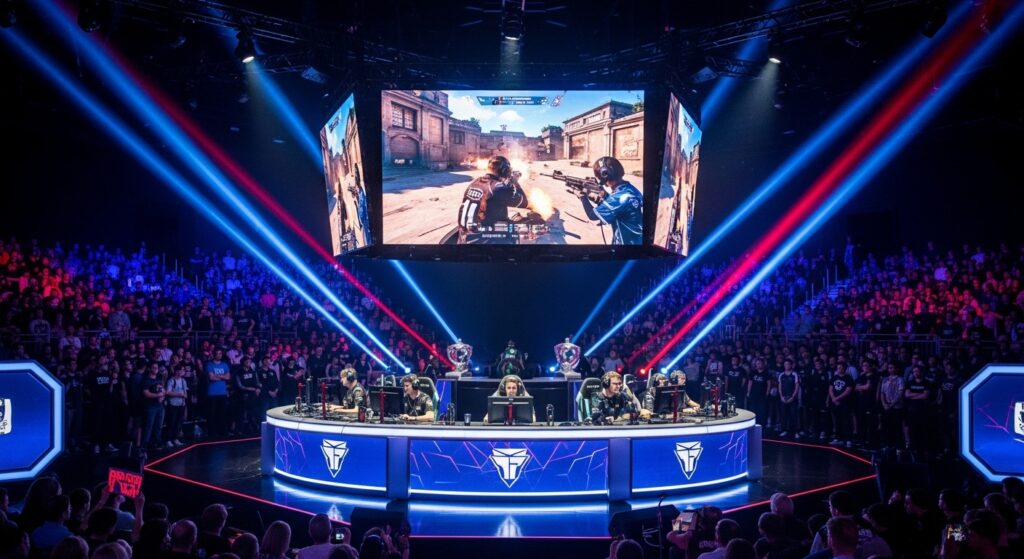

The Evolution of Esports: From Niche to Global Phenomenon
Esports, short for electronic sports, has transformed from a niche hobby to a multi-billion-dollar global industry, attracting millions of viewers, professional players, and game developers. From its humble beginnings in local gaming tournaments to becoming a worldwide spectacle with massive audiences and sponsorships, the journey of esports has been both remarkable and fast-paced. In this blog, we’ll explore the history of esports, its rise to prominence, key players and teams, and its future outlook.
The Early Days of Esports
The Birth of Competitive Gaming
The origins of esports can be traced back to the early 1970s, when the concept of video games began to gain traction in arcades and homes around the world. However, it wasn’t until the mid-1990s that organized competitions began to form. Early esports tournaments were small, grassroots events, often held at local arcades or by gaming communities. These events were nothing compared to today’s esports competitions, but they laid the groundwork for the future of competitive gaming.
One of the earliest examples of organized esports was the “Red Annihilation” tournament in 1997. This was a Quake tournament that attracted players from all over the United States. The event, which featured a prize of a car, garnered media attention and became a turning point for competitive gaming. It showed that there was a significant audience for esports, and as internet connectivity improved, the world was on the brink of an esports revolution.
The Rise of Online Gaming and LAN Parties
As the internet began to expand in the late 1990s and early 2000s, the opportunities for online multiplayer gaming grew. Games like “StarCraft,” “Warcraft III,” and “Counter-Strike” took advantage of the internet’s capabilities, allowing players to compete against one another from the comfort of their homes. The rise of online gaming led to the creation of platforms and leagues that helped bring esports into the mainstream.
One of the key moments in esports history was the advent of LAN (Local Area Network) parties. LAN events were often held in large convention centers, where gamers would bring their own computers and compete in tournaments. These events became a breeding ground for esports teams and communities, with games like “Warcraft III” and “Counter-Strike” becoming staples of the competitive gaming scene.
By the early 2000s, esports had moved beyond a small, niche hobby and started to attract more attention from media outlets and game developers. Large-scale events, such as the Cyberathlete Professional League (CPL) and World Cyber Games (WCG), were held annually, offering gamers the opportunity to showcase their skills and earn monetary rewards.
The Expansion of Esports in the 2010s
The Growth of Major Leagues and Sponsorships
The 2010s marked a significant turning point for esports, as it gained widespread recognition and professionalization. A new wave of gaming titles, such as “League of Legends,” “Dota 2,” and “Overwatch,” brought millions of players and viewers into the fold. The expansion of esports leagues, along with the increasing presence of sponsorships, solidified esports’ position in the global entertainment landscape.
The launch of “League of Legends” in 2009 by Riot Games was a defining moment for competitive gaming. The game’s fast-paced action, strategic depth, and accessibility helped it become one of the most popular esports titles in history. In 2011, Riot Games introduced the “League of Legends” World Championship, which has since become one of the most prestigious tournaments in the esports world. Over the years, this tournament has grown in size and viewership, attracting millions of viewers worldwide and securing high-profile sponsorship deals.
“Dota 2,” released by Valve Corporation in 2013, also played a significant role in the development of esports during the 2010s. The game’s annual tournament, “The International,” is known for its massive prize pool, which has consistently broken records. In 2018, “The International” had a prize pool exceeding $25 million, marking a significant moment for esports, as it demonstrated the financial potential of competitive gaming.
In addition to game publishers organizing tournaments, third-party organizers such as ESL, DreamHack, and MLG became increasingly important players in the esports ecosystem. These organizations created tournaments, leagues, and events for a variety of games, further expanding esports’ reach to global audiences.
The Role of Streaming Platforms
As esports grew, so did its media presence. The rise of streaming platforms, particularly Twitch, played a crucial role in the expansion of esports. Twitch, launched in 2011, provided a platform where players, teams, and organizations could stream their gameplay live to a global audience. This allowed fans to follow their favorite players, teams, and events in real-time, significantly increasing esports’ visibility.
Twitch also provided a new revenue stream for content creators, allowing them to earn money through advertisements, subscriptions, and donations from their fans. The popularity of live streaming helped solidify esports as an entertainment medium, akin to traditional sports broadcasts, with thousands of fans tuning in to watch tournaments, interviews, and live gameplay.
Esports and Traditional Sports Media
In the 2010s, the lines between traditional sports and esports began to blur. Several esports tournaments started to be broadcast on mainstream sports networks, such as ESPN and Turner Sports. This cross-pollination between the two industries helped normalize esports in the eyes of the general public and further legitimized it as a competitive activity.
Sponsorships from major brands such as Coca-Cola, Intel, Red Bull, and Audi began pouring into esports, marking the rise of esports as a multi-billion-dollar industry. These sponsorships helped fund major tournaments and provided esports organizations with the financial backing they needed to build infrastructure, sign players, and expand their operations.
The Professionalization of Esports
The professionalization of esports also became evident in the 2010s. Esports organizations, such as Cloud9, Team Liquid, and Fnatic, established themselves as major brands within the competitive gaming space. These organizations signed top-tier players to long-term contracts, creating professional rosters and offering them salaries, benefits, and training facilities.
Furthermore, esports began to mimic traditional sports in terms of its structure. Leagues were created to organize competitions for various games, including the Overwatch League, the League of Legends Championship Series (LCS), and the Call of Duty League. These leagues provided a more consistent and structured environment for players and teams, much like a traditional sports league, with regular seasons, playoffs, and championships.
The Global Reach of Esports
The Rise of Esports in Asia
One of the most notable developments in the growth of esports has been the rise of esports in Asia, particularly in countries like South Korea, China, and Japan. South Korea, in particular, became an esports powerhouse in the early 2000s, with games like “StarCraft” and “League of Legends” dominating the competitive gaming scene.
The Korean government played a significant role in promoting esports, establishing professional leagues and creating esports-friendly policies. The country’s massive internet infrastructure and gaming culture created an environment where competitive gaming could thrive. South Korea also produced some of the most legendary players in esports history, such as “Faker” from “League of Legends,” who is widely regarded as one of the best players of all time.
In China, esports has become a cultural phenomenon, with games like “Dota 2,” “League of Legends,” and “PUBG Mobile” enjoying massive popularity. The Chinese government has recognized the economic potential of esports, with several cities offering incentives for esports-related businesses and tournaments. China has also produced some of the most successful esports organizations and players, making it a key player in the global esports landscape.
Esports in the West
While Asia has been a major driving force behind the growth of esports, Western countries, including the United States and Europe, have also contributed to its expansion. The United States, in particular, has seen a rise in esports organizations, streaming platforms, and major sponsorship deals, which have helped elevate the industry’s profile.
Major cities like Los Angeles and New York have become hubs for esports, with numerous tournaments, events, and gaming conventions held throughout the year. European countries like Sweden, France, and Germany have also produced successful esports teams and players, contributing to the overall global growth of competitive gaming.
The Future of Esports
The Continued Growth of Esports
Looking ahead, the future of esports looks promising. As technology continues to advance, we can expect even more immersive gaming experiences, such as virtual reality (VR) and augmented reality (AR), which could open up new opportunities for esports competitions.
The growing popularity of mobile esports is another trend to watch. Mobile gaming, especially in regions like Southeast Asia and India, has exploded in recent years, with games like “PUBG Mobile” and “Free Fire” becoming hugely popular. As mobile gaming continues to evolve, it is likely that mobile esports will become a more prominent part of the competitive gaming landscape.
The Integration of Esports into Mainstream Culture
Esports is increasingly being integrated into mainstream culture. Universities are offering scholarships for esports athletes, and high schools are starting to introduce esports programs to encourage students to pursue competitive gaming. Esports is also becoming a regular fixture in major global events, with esports tournaments being held in conjunction with traditional sporting events, such as the Asian Games.
The global recognition of esports has prompted traditional sports teams to invest in esports organizations. Football clubs like FC Barcelona and Manchester City have created esports divisions, while basketball teams such as the Dallas Mavericks have invested in esports franchises. This cross-industry partnership further validates esports as a legitimate form of competition.
Esports as a Career Path
Esports has evolved from being just a pastime to a viable career path for many players, coaches, and analysts. Players can now earn significant salaries, sponsorships, and tournament winnings, while coaches and analysts are integral parts of successful teams. Additionally, casters, content creators, and social media influencers have carved out niches for themselves within the esports ecosystem.
Esports careers are no longer limited to professional players; they span a wide range of roles, including team management, event organizing, marketing, broadcasting, and journalism. This diversification of career paths makes esports an appealing industry for a wide range of talent.
Conclusion
The journey of esports from a niche interest to a global phenomenon has been nothing short of remarkable. From the early days of LAN parties and small-scale tournaments to the massive, multi-million-dollar competitions of today, esports has grown into a cultural and economic force. With the continued growth of the industry, new technologies, and an ever-expanding fanbase, esports is poised to become an even more integral part of global entertainment in the years to come.
As we move forward, it’s clear that esports is here to stay, and its influence will continue to shape the future of gaming, sports, and entertainment. Whether you’re a player, fan, or industry professional, there has never been a more exciting time to be part of the esports revolution.