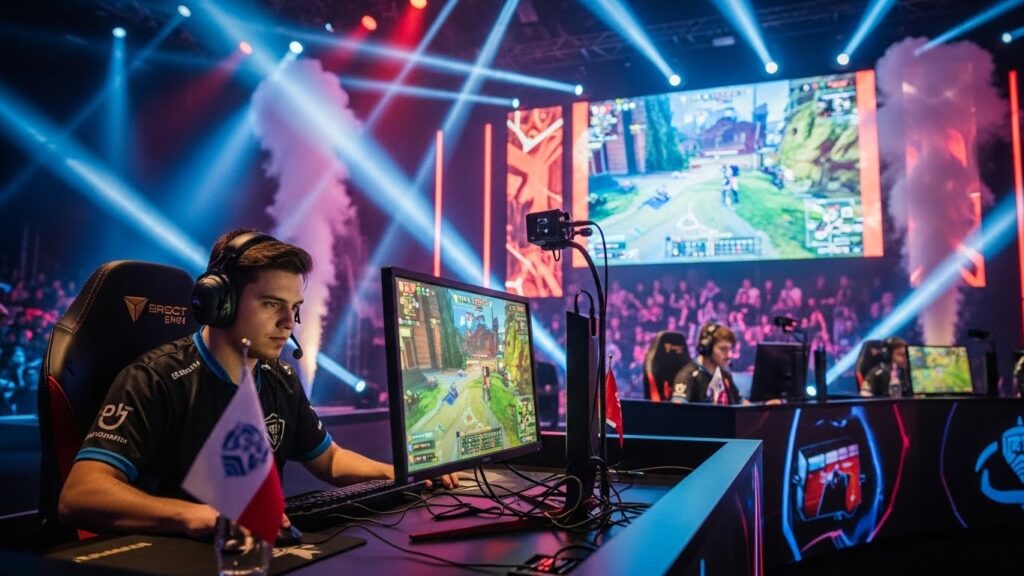

The Global Phenomenon of Esports: A New Era of Competitive Gaming
In recent years, esports has emerged as a revolutionary force in the entertainment world, transforming the way people perceive competitive gaming. What once started as a niche activity among gamers has rapidly evolved into a global industry worth billions of dollars. From professional athletes to broadcasters, game developers to advertisers, the world of esports is vast and multifaceted, reshaping the entertainment landscape.
Esports, short for electronic sports, is defined as organized, multiplayer video game competitions, particularly between professional players, either individually or as teams. The industry encompasses a wide range of video games, from strategy games like StarCraft and Dota 2 to first-person shooters like Counter-Strike and Overwatch. What sets esports apart from casual gaming is the level of skill, strategy, and dedication required to succeed at the highest levels.
In this blog post, we will delve into the rapid growth of esports, its appeal to millions around the world, and the factors contributing to its increasing popularity. We will also explore the economic impact of esports, its integration into mainstream culture, and what the future holds for this exciting, evolving industry.
The Emergence and Growth of Esports
The origins of esports can be traced back to the 1990s when competitive gaming first began to take shape. Early tournaments were small, local affairs, often organized by game developers or enthusiastic fans. These events usually took place in physical locations, where players gathered to compete in popular titles like Quake, StarCraft, and WarCraft. However, it wasn’t until the early 2000s, with the rise of online gaming, that esports began to reach a broader audience.
The launch of platforms like Battle.net and Steam allowed players from around the world to connect, compete, and showcase their skills on a global scale. As the internet infrastructure improved and streaming platforms like Twitch emerged in the early 2010s, esports rapidly gained mainstream attention. The availability of live-streamed tournaments gave fans access to high-quality broadcasts of esports events, further expanding the industry.
Today, esports has become a global juggernaut, with massive tournaments attracting millions of viewers. The largest esports events are broadcast on mainstream television, and prize pools for major tournaments like The International (Dota 2) and the League of Legends World Championship have reached record-breaking figures. What was once a subculture is now a professional industry with teams, coaches, analysts, broadcasters, and dedicated fans.
The Appeal of Esports: Why It’s So Popular
One of the key reasons for the rapid rise of esports is its broad appeal. Unlike traditional sports, which often require significant physical skill or access to specialized equipment, anyone with a gaming console or a computer can get involved in esports. This level of accessibility allows people from all walks of life to participate, whether by playing the games themselves or by watching the competitions.
Esports also offers a unique blend of excitement, strategy, and entertainment. For fans, watching top-level players compete is thrilling. These players often have lightning-fast reflexes and in-depth knowledge of the games they play, making their performances both impressive and captivating. The level of competition and skill on display is akin to that of professional sports, but without the physical limitations.
Another major factor contributing to the appeal of esports is its social aspect. Platforms like Twitch and YouTube enable fans to interact with players and other fans, building a sense of community around their favorite games and players. Fans often support specific teams or personalities, creating a passionate and dedicated following. This sense of belonging adds another layer of engagement to the experience.
Furthermore, the rise of mobile gaming has broadened the accessibility of esports. In countries like China, India, and Southeast Asia, mobile esports has become incredibly popular, attracting millions of new players and fans. Games like PUBG Mobile and Free Fire have turned mobile esports into a massive global phenomenon, making competitive gaming available to a larger audience than ever before.
The Professionalization of Esports
Esports is not just a hobby anymore—it’s a career. With the rise of professional leagues, sponsorships, and substantial prize pools, esports athletes have become legitimate professionals. Just like traditional athletes, they dedicate hours to training, studying their opponents, and perfecting their gameplay. Esports athletes often have personal coaches, psychologists, and analysts to help them improve their performance, similar to how traditional sports teams operate.
Top players and teams can earn substantial incomes through tournament winnings, sponsorships, streaming, and other business ventures. For example, some players in League of Legends and Fortnite have earned millions of dollars from their participation in high-stakes tournaments. Teams also benefit from sponsorships with major companies, from gaming peripherals to lifestyle brands, making esports a viable career option for skilled players.
The creation of esports organizations and teams has further solidified the professional nature of the industry. These teams have management structures similar to those in traditional sports, with general managers, coaches, analysts, and support staff working to help players perform at their best. Players often sign contracts with these organizations, which provide salaries, benefits, and other incentives.
Esports tournaments have also taken on a professional broadcasting format. Just like traditional sports, esports events are now televised or streamed live on popular platforms. Professional commentators and analysts break down gameplay for viewers, providing expert insights into the strategies and tactics employed by the players. These broadcasts are high-quality productions, complete with flashy graphics, in-game highlights, and live audience interaction.
Esports as a Business
The esports industry is thriving, with revenue streams flowing from a variety of sources. Sponsorships, media rights, ticket sales, merchandise, and advertising all contribute to the growing financial ecosystem of esports. Large corporations, including tech companies, automobile manufacturers, and soft drink giants, are all eager to capitalize on the esports boom.
One of the key drivers of esports’ financial growth is the massive audience it attracts. The combined viewership of major esports events rivals that of traditional sports like the Super Bowl or the FIFA World Cup. According to recent estimates, over 450 million people globally watch esports, and this number is expected to continue growing. This large and engaged audience provides advertisers and sponsors with a unique opportunity to reach a highly coveted demographic—young, tech-savvy, and passionate about gaming.
In addition to traditional sponsorships, esports organizations also generate revenue through merchandise sales. Fans love to support their favorite teams by purchasing jerseys, hats, and other branded items. The growing popularity of esports-related merchandise has led to the rise of esports retail stores and online platforms that cater specifically to fans of competitive gaming.
Moreover, esports has expanded into the world of betting, with many fans placing wagers on the outcomes of high-stakes tournaments. Esports betting platforms are flourishing, further fueling the growth of the industry. In some countries, esports betting has become a mainstream form of entertainment, offering fans an additional way to engage with the competitions.
Esports in Education: The Rise of Esports Academies
In addition to its success in the professional realm, esports is making its way into educational institutions. Many schools, colleges, and universities now offer esports programs and scholarships, creating a formal path for students interested in pursuing competitive gaming.
Esports programs in schools and universities not only help students hone their gaming skills but also teach valuable lessons in teamwork, leadership, communication, and time management. Players often work together as part of a team, strategizing and coordinating to win games, which fosters important life skills that can be applied outside of gaming.
Collegiate esports leagues have sprung up, with top universities hosting their own tournaments and offering scholarships for talented players. This has created opportunities for students to earn both an education and the chance to compete at a professional level. Schools are increasingly viewing esports as a legitimate extracurricular activity, on par with traditional sports like football and basketball.
Additionally, esports is being integrated into educational curricula, with some universities offering degrees in fields like game design, esports management, and digital media. This growing connection between esports and education is paving the way for future generations of professionals in the gaming and esports industries.
The Future of Esports
Looking ahead, the future of esports appears incredibly bright. The industry is set to continue its rapid growth, fueled by advancements in technology, expanding mobile gaming markets, and increasing mainstream acceptance. As esports continues to attract attention from major media companies and sponsors, the stakes for players and teams will only get higher.
Virtual reality (VR) and augmented reality (AR) are expected to play an important role in the future of esports. These technologies could provide new, immersive experiences for both players and viewers, taking esports to a whole new level of interaction and engagement. Imagine watching a Counter-Strike match in VR, where you can feel as though you are standing next to the players in the virtual arena. This level of immersion could revolutionize the way we experience esports.
Additionally, the rise of artificial intelligence (AI) and machine learning could impact esports in terms of player performance and tournament organization. AI tools could assist players in improving their strategies, analyzing opponent behavior, and even predicting the outcomes of games. On the organizational side, AI could streamline tournament logistics, ensuring smooth execution and fair competition.
As esports continues to become a more integral part of mainstream culture, it is likely that we will see further collaborations between esports and traditional sports organizations. Many professional sports leagues are already investing in esports, and the merger between the two worlds will likely create exciting opportunities for fans and players alike.
Conclusion
Esports has undeniably transformed from a niche hobby into a global cultural and economic phenomenon. Its rapid growth, combined with its accessibility, professionalization, and diverse appeal, has made it a dominant force in the entertainment industry. As more people tune in to watch the action, and as more organizations and educational institutions embrace competitive gaming, the future of esports looks incredibly bright.