
The Global Rise and Impact of Esports
Introduction
Esports, short for electronic sports, has grown from niche gaming competitions into a global cultural and economic phenomenon. Once considered a pastime for enthusiasts, esports now attracts millions of viewers, professional players, corporate sponsors, and mainstream media attention. Competitive gaming combines strategy, skill, teamwork, and entertainment, creating a unique ecosystem that blurs the lines between traditional sports and digital culture.
The rapid growth of esports reflects the intersection of technology, media, and human competitiveness. Players no longer compete solely for personal satisfaction; they play professionally for prize money, sponsorships, and international recognition. Simultaneously, fans engage with esports as spectators, content consumers, and participants in online communities, making it one of the fastest-growing entertainment industries worldwide.
Origins of Competitive Gaming
The concept of competitive gaming is not new. In the 1970s and 1980s, arcade games such as Pong, Space Invaders, and Pac-Man introduced players to the thrill of competition. High scores were a form of recognition, and arcades became social hubs where players could challenge each other and gain prestige. These early gaming competitions laid the foundation for organized competitive play.
In the 1990s, multiplayer games like Doom, Quake, and StarCraft enabled players to compete over local networks and eventually online. This era marked the emergence of online gaming communities, where players shared strategies, discussed tactics, and formed teams. Online connectivity expanded the reach of competitive gaming, connecting players from different regions and sowing the seeds of the global esports phenomenon.
The Professionalization of Esports
The 2000s saw competitive gaming transition into a professional industry. Games like Counter-Strike, Warcraft III, and Halo began offering structured tournaments with prize money, attracting skilled players willing to dedicate themselves full-time. Professional teams emerged, complete with managers, coaches, and analysts. Esports began mirroring traditional sports in organization, strategy, and public appeal.
Streaming platforms further accelerated esports’ growth. Platforms like Twitch and YouTube allowed fans to watch live competitions, interact with players, and participate in communities. Live broadcasting elevated esports from a hobby into a spectator sport, attracting millions of viewers worldwide and solidifying its mainstream presence.
Iconic Esports Titles
Certain games have played a crucial role in shaping modern esports. League of Legends, released in 2009, introduced a competitive ecosystem with professional leagues, world championships, and dedicated fan engagement. Dota 2 pushed the boundaries of esports prize pools, offering tens of millions of dollars and attracting global attention.
First-person shooters such as Counter-Strike: Global Offensive and Overwatch emphasized strategic teamwork and precision, drawing massive competitive audiences. Battle royale games like Fortnite combined competitive gameplay with social interaction, appealing to younger audiences and streaming culture. Each of these games has contributed to the diversity of esports, offering different competitive styles, strategic depth, and spectator appeal.
Structure of Esports Leagues
Professional esports leagues operate similarly to traditional sports leagues. Teams consist of players, managers, coaches, analysts, and support staff. Organized leagues like the Overwatch League, League of Legends Championship Series, and Call of Duty League maintain seasonal structures with playoffs and championship events.
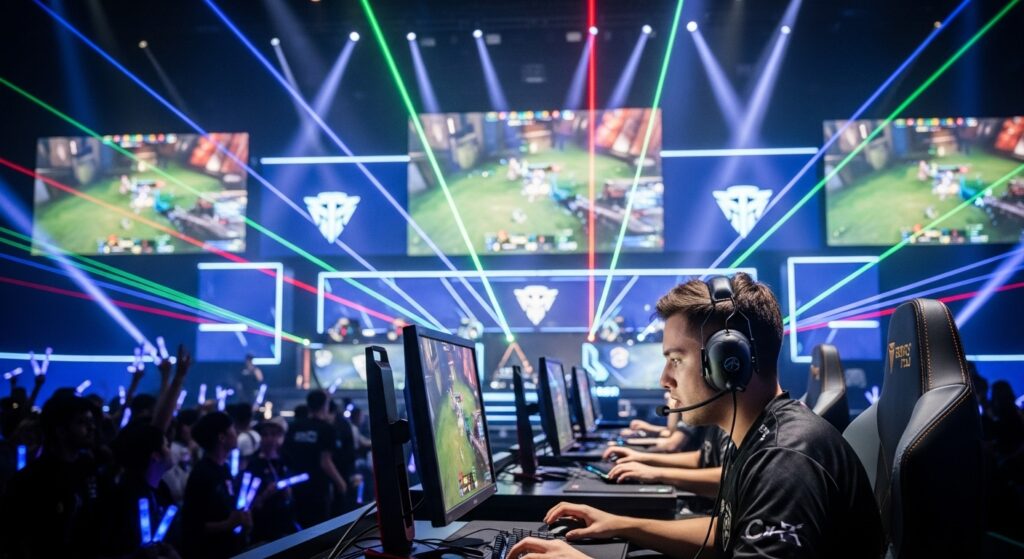
Tournaments range from online qualifiers to live international events hosted in arenas. Prize pools can reach millions of dollars, attracting elite talent and global media coverage. Structured leagues provide stability for players, continuous entertainment for fans, and valuable marketing opportunities for sponsors and brands.
The Role of Streaming Platforms
Streaming platforms are essential to esports’ ecosystem. Services such as Twitch and YouTube Gaming allow fans to watch live competitions, interact with players, and engage in global communities. Streamers often become celebrities, building personal brands and influencing gaming culture.
The interactivity of streaming distinguishes esports from traditional sports. Fans can comment in real time, participate in discussions, and even affect outcomes in some events. This level of engagement creates a strong sense of community and fosters loyalty, encouraging fans to invest emotionally and socially in esports.
Careers in Esports
Esports offers a wide range of professional opportunities beyond playing competitively. Coaches and analysts develop strategies, study opponents, and optimize team performance. Managers oversee logistics, sponsorships, and operational decisions. Commentators and broadcasters provide play-by-play coverage and entertainment for audiences.
Content creators produce tutorials, analysis videos, and lifestyle content to extend fan engagement beyond live matches. Event management, marketing, and production teams ensure tournaments run smoothly and professionally. This ecosystem offers sustainable career paths for individuals passionate about gaming and digital media.
Economics of Esports
The financial impact of esports is significant and growing. Revenue streams include sponsorships, advertising, merchandise, ticket sales, media rights, and streaming subscriptions. Brands recognize esports as a way to reach a young, highly engaged audience, leading to partnerships with technology companies, energy drinks, apparel brands, and more.
Prize pools in esports have grown exponentially. Major tournaments like The International for Dota 2 offer tens of millions of dollars in prizes, demonstrating the industry’s legitimacy and attracting top-tier talent. Esports’ economic ecosystem continues to expand, proving its viability as a long-term entertainment and sports sector.
Global Cultural Influence
Esports transcends geographic and cultural boundaries. Players and fans from across the globe compete, collaborate, and form communities around shared interests. Countries such as South Korea, China, and the United States have emerged as esports powerhouses, producing world-class teams and players.
The cultural impact of esports extends beyond gaming. Professional players influence fashion, music, and digital media trends. Gaming has become a lifestyle with its own norms, rituals, and identity markers, reflecting broader trends in digital culture. Esports has helped redefine what it means to be a competitive athlete in the 21st century.
Esports and Traditional Sports
Esports has influenced traditional sports by introducing digital engagement, interactive content, and fan participation models. Many sports organizations now sponsor esports teams or events to connect with younger audiences.
Crossover events between esports and traditional sports leagues have emerged, blending digital competition with physical sports. These collaborations demonstrate that esports is not merely entertainment but a significant driver of modern sports culture and fan engagement.
Educational Integration
Educational institutions have increasingly embraced esports. High schools and universities offer programs, scholarships, and competitive teams, recognizing the potential of esports to teach strategic thinking, teamwork, and leadership.
Collegiate esports leagues allow students to compete professionally while pursuing their studies. This integration validates esports as a legitimate career pathway and nurtures the next generation of players, analysts, and industry professionals.
Technology Driving Esports
Technology is the foundation of esports. High-speed internet, advanced gaming peripherals, powerful computers, and broadcasting tools enable seamless competitive experiences. Analytics software helps teams review gameplay, develop strategies, and gain a competitive edge.
Emerging technologies like virtual reality, augmented reality, and artificial intelligence are expanding esports’ possibilities. Immersive environments, adaptive gameplay, and personalized content enhance both the player experience and audience engagement, ensuring esports remains innovative and dynamic.
Challenges in Esports
Despite its rapid growth, esports faces challenges. Player health, including mental and physical well-being, is a major concern due to long practice hours and competitive stress. Online harassment and toxic behavior threaten both players and fans.
Regulatory challenges, inconsistent rules, and contract disputes are additional hurdles. The industry must balance rapid expansion with ethical practices, fair compensation, inclusivity, and player welfare to maintain sustainable growth.
The Future of Esports
The future of esports is promising and multifaceted. Virtual reality, augmented reality, and AI-driven experiences will redefine competitive gaming. Global connectivity will increase audience engagement, opening new opportunities for sponsorship and revenue.
Esports will continue intersecting with traditional sports, entertainment, and digital media, creating hybrid experiences and cross-industry collaborations. Educational programs and professional infrastructure will cultivate talent and strengthen esports as a sustainable career path.
Conclusion
Esports has evolved from casual gaming into a global industry with cultural, economic, and technological significance. It offers careers, entertainment, community building, and innovation while challenging traditional definitions of competition.
By combining strategy, skill, technology, and cultural influence, esports is shaping the future of entertainment and sports. It is more than a game—it is a professional ecosystem, a cultural movement, and a reflection of human creativity, competition, and connection.