
The Rise of Esports: A Glimpse into the Future of Competitive Gaming
Esports, short for electronic sports, has taken the world by storm in the past decade. What once began as a niche hobby for a select group of gamers has blossomed into a multi-billion-dollar industry, attracting millions of viewers, investors, and players from around the globe. Esports has moved beyond its early days of LAN tournaments and modest prize pools into a fully developed competitive ecosystem, with its own leagues, sponsorships, media deals, and a rapidly growing fanbase. In this blog post, we will delve into the world of esports, its growth, its impact, and its promising future.
The Growth of Esports: From Hobby to Global Phenomenon
Esports began as a small subculture in the gaming community, with tournaments being held in local arcades or in small, rented spaces. These events were often streamed on obscure platforms, and only hardcore gamers were aware of their existence. However, the advent of high-speed internet, social media, and streaming platforms like Twitch and YouTube has completely changed the landscape. Suddenly, gamers could compete against one another from different parts of the world, and their matches could be broadcasted live for audiences to watch and engage with.
The turning point for esports came with the emergence of professional leagues and tournaments for games like League of Legends, Dota 2, Counter-Strike: Global Offensive, and Overwatch. These games were not just casual pastimes anymore; they were becoming serious competition with enormous prize pools, sponsorships, and even broadcast deals with major media outlets.
A pivotal moment in the industry’s rise was the formation of global competitions like the League of Legends World Championship and The International (Dota 2’s annual event). These tournaments started attracting millions of viewers each year, and with viewership numbers rivaling traditional sports, the industry quickly gained legitimacy. Esports is no longer seen as a fringe activity; it’s a mainstream event with its own ecosystem, complete with professional teams, coaches, analysts, and even team managers.
The Business Side of Esports: Big Money Involved
As esports became more popular, so did its business side. Sponsorship deals, advertising, media rights, merchandise sales, and ticket sales have all become major revenue sources for esports organizations. Big brands across industries—from technology companies to snack foods to car manufacturers—have seen the value in partnering with esports leagues and teams. These sponsorships allow them to target a young, tech-savvy, and engaged audience that is increasingly hard to reach through traditional advertising channels.
In addition to sponsorships, many esports organizations have capitalized on media rights. For instance, live broadcasts of esports events are now regularly featured on streaming platforms like Twitch, YouTube, and Facebook. Major TV networks are also getting in on the action, with companies like ESPN and TNT airing esports events. The shift in media consumption habits, with viewers opting for online content instead of traditional television, has created a unique opportunity for esports to flourish in the digital age.
Esports betting is another facet of the business side of competitive gaming that has grown rapidly. Websites and platforms now allow fans to place bets on esports matches, adding another layer of excitement and engagement. However, like traditional sports, this growth also brings its challenges. Issues like match-fixing and underage gambling are emerging concerns, and governing bodies are beginning to put regulations in place to mitigate these risks.
The Players: Who Are the Athletes Behind Esports?
At the heart of any competitive sport, including esports, are the players. Esports athletes, or pro gamers, have become household names in certain circles, just like their counterparts in traditional sports. Players such as Faker (Lee Sang-hyeok), Dendi (Danil Ishutin), and Ninja (Tyler Blevins) have achieved legendary status in the gaming world.
Being a professional esports player requires a unique set of skills. Unlike traditional athletes, esports players do not rely on physical prowess but on quick reflexes, strategic thinking, and a deep understanding of the games they play. Hours of practice, teamwork, communication, and a willingness to constantly improve are the hallmarks of an elite esports athlete.
Professional esports players often start their careers at a young age, sometimes even in their teens, and many compete in multiple tournaments a year. This intense schedule can be mentally and physically demanding. However, the rewards are significant. Top-tier players earn salaries, sponsorships, and prize money that can easily surpass the earnings of athletes in traditional sports.
Additionally, the role of coaches and analysts has become increasingly important in esports. Just like in traditional sports, esports teams employ coaching staff who help refine strategies, enhance individual player skills, and provide psychological support. With more money on the line, esports teams are investing heavily in developing well-rounded, competitive environments for their players.
The Fans: A Growing Community
One of the driving forces behind the growth of esports is the passionate and dedicated fanbase. Esports fans are more than just viewers; they are active participants in the culture of competitive gaming. They engage in online communities, follow players on social media, watch live streams, and even attend live events.
The esports audience is notably younger than traditional sports fans, with the majority being between the ages of 18 and 34. This demographic is highly engaged, often discussing games and strategies online, creating fan art, and supporting their favorite teams or players. Many fans also invest time in playing the same games they watch professionally, thus creating a deeper connection with the sport.
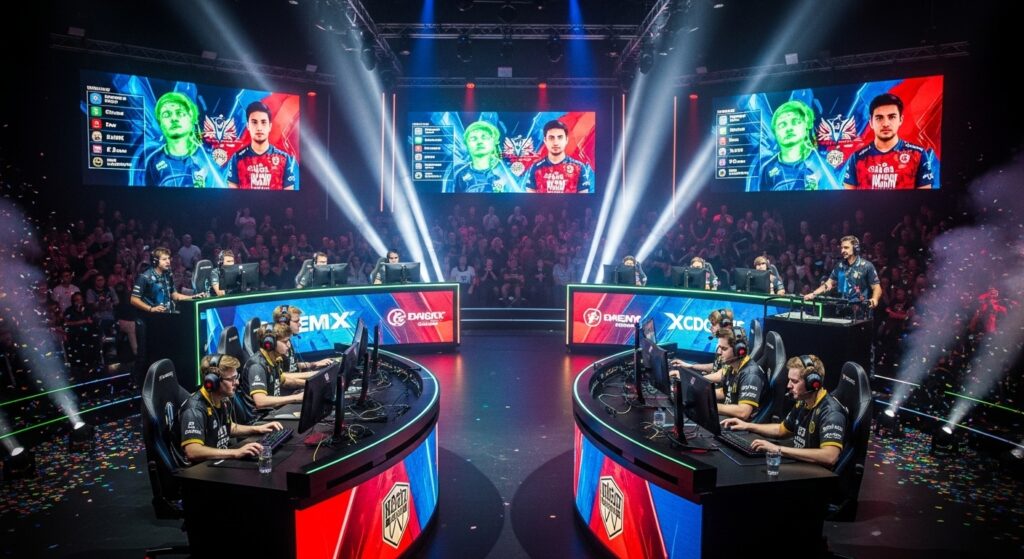
Esports tournaments are often held in massive arenas, where thousands of fans come together to watch the action live. The atmosphere at these events can rival that of traditional sports stadiums, complete with cheering crowds, team chants, and dramatic in-game moments that make for an unforgettable experience. Online, the excitement continues, with millions of viewers streaming events from the comfort of their homes.
With its dedicated and growing fanbase, esports is fostering a global sense of community. People from different countries and cultures come together through their shared love of gaming, breaking down geographical and social barriers. In this way, esports has become a truly international phenomenon, with viewers from all corners of the world tuning in to watch their favorite players and teams compete.
The Future of Esports: What’s Next?
Esports is not only thriving today but is poised to continue its rapid growth in the coming years. As the technology behind gaming continues to advance, so will the quality of the competitions. Virtual reality (VR) and augmented reality (AR) are areas that could drastically change the way esports is experienced by players and spectators alike. Imagine watching an esports match where you are immersed in the action through VR, feeling as though you are sitting right next to the players.
Moreover, as more mainstream companies and organizations invest in esports, the industry will likely see continued diversification. We can expect new games, formats, and competitions to emerge, allowing more people to engage with esports in different ways. The increasing involvement of traditional sports organizations, such as the NBA and NFL, in esports will also contribute to its growth and legitimacy.
Esports is also likely to become a more integral part of the education system. Already, some universities offer esports scholarships and have their own competitive gaming teams. As esports grows in popularity, it may eventually be included in the Olympics or other major international sporting events. The potential for esports to become a recognized form of competitive play on a global scale is limitless.
Conclusion
Esports has come a long way since its humble beginnings. Today, it stands as a global industry that rivals traditional sports in terms of audience engagement, financial investment, and cultural influence. With its fast-paced action, passionate fanbase, and ever-growing popularity, esports is undoubtedly here to stay. For those who have witnessed its rise firsthand, the future looks incredibly bright, and the opportunities in the esports world are only just beginning to unfold.
Whether you’re a fan, a player, or someone simply curious about this digital revolution, esports offers something for everyone. So, as the world of competitive gaming continues to evolve, one thing is clear: the future of esports is limitless, and its impact will continue to shape the entertainment industry for years to come.