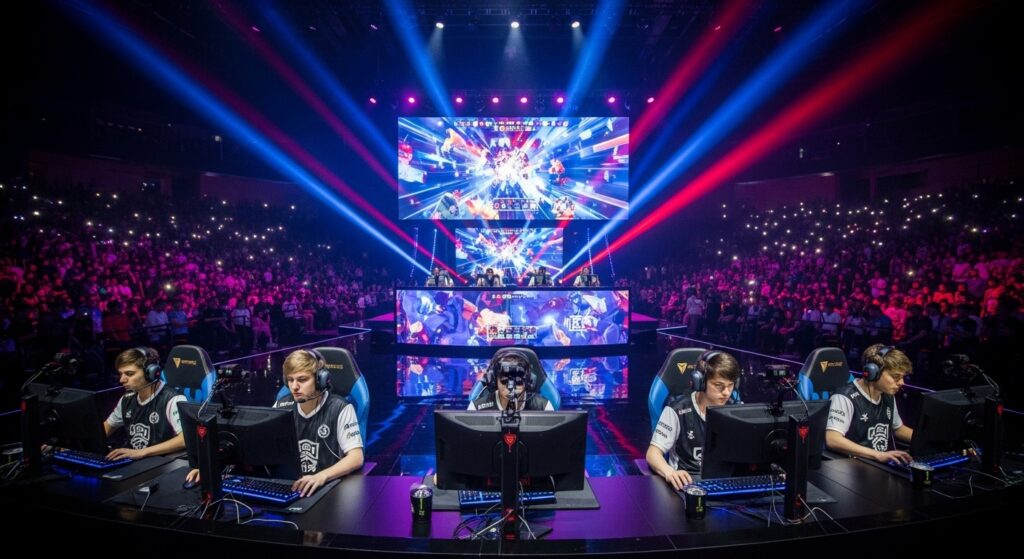

The Rise of Esports: A Revolution in Competitive Gaming
Esports, or electronic sports, has evolved from niche gaming communities to a global phenomenon that captivates millions. What started as casual competition among friends has grown into a multi-billion-dollar industry with professional leagues, celebrity gamers, and international tournaments. Today, esports represents not just a form of entertainment but also a career path, a cultural movement, and a technological marvel.
Understanding Esports
At its core, esports refers to organized, competitive video gaming. Unlike traditional video games played casually for fun, esports involves structured competitions where players or teams compete for rankings, prizes, and recognition. Games in esports vary widely, including genres like first-person shooters, real-time strategy games, battle royales, fighting games, and sports simulations. Titles such as League of Legends, Counter-Strike: Global Offensive, Dota 2, and Fortnite have become household names due to their prominence in competitive gaming.
Esports competitions can take place online or in physical arenas. While online tournaments allow players from all over the world to participate, live events bring a sense of excitement and spectacle, similar to traditional sports like football or basketball. The combination of skill, strategy, and teamwork makes esports a unique form of competition that appeals to a wide audience.
The History of Esports
Esports has a surprisingly rich history that traces back several decades. The earliest known video game competitions date to the 1970s, when games like Space Invaders and Pong were played competitively. However, these events were limited in scope and audience.
The 1980s and 1990s marked the growth of arcade competitions and the rise of early PC gaming tournaments. Games such as Street Fighter II and StarCraft became popular competitive titles, setting the stage for modern esports. By the early 2000s, with the advent of faster internet and online multiplayer platforms, esports began to gain significant traction.
South Korea played a pivotal role in esports’ rise, particularly with games like StarCraft: Brood War. Professional gaming became a legitimate career in the country, complete with sponsorships, media coverage, and dedicated training facilities. This model of professional gaming influenced other regions, including North America, Europe, and Southeast Asia.
Esports as a Global Industry
Today, esports is a multi-billion-dollar industry. Revenue comes from multiple sources, including sponsorships, advertising, ticket sales, merchandise, and media rights. Major tournaments now offer prize pools that rival traditional sports events. For example, The International, an annual Dota 2 championship, regularly features prize pools exceeding $30 million.
The global reach of esports is staggering. Millions of fans watch tournaments online through platforms like Twitch, YouTube Gaming, and TikTok. Countries across continents have embraced esports, hosting international competitions and investing in esports infrastructure. From stadiums dedicated to esports to universities offering scholarships for gamers, the ecosystem is becoming increasingly professionalized.
Popular Esports Games and Genres
Esports encompasses a diverse range of games, each with unique mechanics and competitive appeal. Some of the most popular genres include:
1. Multiplayer Online Battle Arenas (MOBAs)
Games like League of Legends and Dota 2 fall under this category. Players control individual characters with unique abilities and work with teammates to destroy the opponent’s base. MOBAs require strategic thinking, precise execution, and seamless teamwork.
2. First-Person Shooters (FPS)
FPS games, including Counter-Strike: Global Offensive and Call of Duty, emphasize accuracy, reflexes, and tactical coordination. These games often feature fast-paced matches where split-second decisions can determine victory.
3. Battle Royale Games
Titles such as Fortnite, PUBG, and Apex Legends have popularized the battle royale format, where dozens of players compete to be the last one standing. These games combine survival, strategy, and combat, attracting both casual and professional players.
4. Fighting Games
Fighting games like Street Fighter and Tekken showcase one-on-one combat, requiring mastery of combos, timing, and mind games. Tournaments often emphasize individual skill and quick adaptation to opponents’ strategies.
5. Sports Simulations
Games like FIFA and NBA 2K allow players to simulate real-world sports competitively. Esports leagues have been established around these titles, combining traditional sports fandom with gaming.
The Role of Technology in Esports
Esports would not exist without the technological advancements that enable competitive gaming. High-speed internet, powerful computers, advanced gaming consoles, and sophisticated software platforms are essential components.
Streaming technology has revolutionized esports, allowing audiences worldwide to watch live competitions. Platforms like Twitch have created communities around esports content, enabling fans to interact with players, coaches, and analysts in real-time. Virtual reality and augmented reality are also beginning to influence esports, creating immersive experiences that blend gaming with physical skill.
Career Opportunities in Esports
Esports offers more than just playing games professionally. The industry provides a wide range of career paths, including:
- Professional Player: Competing in tournaments and representing teams.
- Coach or Analyst: Helping players refine strategies and improve performance.
- Commentator or Caster: Providing live commentary during tournaments.
- Content Creator: Creating gaming-related content on platforms like YouTube or Twitch.
- Event Organizer: Planning and managing esports tournaments.
- Marketing and Sponsorship Roles: Facilitating partnerships between brands and esports organizations.
The career opportunities in esports are growing alongside the industry itself. Many universities have started offering programs specifically geared toward esports management, game design, and broadcasting.
The Impact of Esports on Society
Esports has had a significant cultural and social impact. It has transformed the perception of gaming from a leisure activity to a legitimate profession. Esports communities foster collaboration, social interaction, and skill development. Players learn teamwork, strategic thinking, and communication skills, which can translate into real-life abilities.
Moreover, esports has influenced mainstream media and entertainment. Professional esports players are now celebrities with global fan bases, and esports tournaments are covered by major sports networks. This cultural integration has helped bridge the gap between traditional sports and digital gaming.
Challenges Facing the Esports Industry
Despite its rapid growth, esports faces several challenges.
1. Player Burnout
Professional gamers often face intense training schedules, which can lead to physical and mental exhaustion. Unlike traditional athletes, esports players’ training involves long hours in front of screens, contributing to eye strain, repetitive stress injuries, and burnout.
2. Regulation and Governance
Esports lacks a unified governing body, which can lead to inconsistencies in rules, tournament standards, and player rights. Establishing standardized regulations is crucial for ensuring fair play and sustainability.
3. Public Perception
While esports is gaining acceptance, some people still view gaming as a trivial or unproductive activity. Overcoming societal stereotypes remains an ongoing challenge for the industry.
4. Financial Stability
While top-tier esports players can earn significant incomes, the majority of players face financial uncertainty. Prize money is often concentrated among a few elite competitors, leaving others reliant on sponsorships or side projects.
The Future of Esports
The future of esports looks promising, with continued growth expected in audience, revenue, and global reach. Advances in technology, including artificial intelligence, virtual reality, and cloud gaming, may redefine the way competitions are played and watched.
Esports may also expand its presence in traditional sports arenas and even Olympic-level competitions. The idea of esports as a recognized international sport is gaining traction, with organizations advocating for its inclusion in multi-sport events.
Furthermore, the rise of mobile gaming has democratized access to esports, allowing players from regions with limited resources to participate and compete on the global stage. This trend suggests a more inclusive and diverse esports ecosystem in the future.
Conclusion
Esports has come a long way from humble beginnings in arcades and online forums. Today, it stands as a testament to the power of technology, community, and human skill. From professional leagues to international tournaments, esports continues to redefine the boundaries of competitive entertainment.
As the industry grows, it will continue to influence culture, technology, and society at large. Whether you are a player, a fan, or someone curious about the phenomenon, esports offers a fascinating glimpse into the future of competition and digital interaction. The journey of esports is far from over—it is evolving, expanding, and redefining what it means to be a sport in the 21st century.