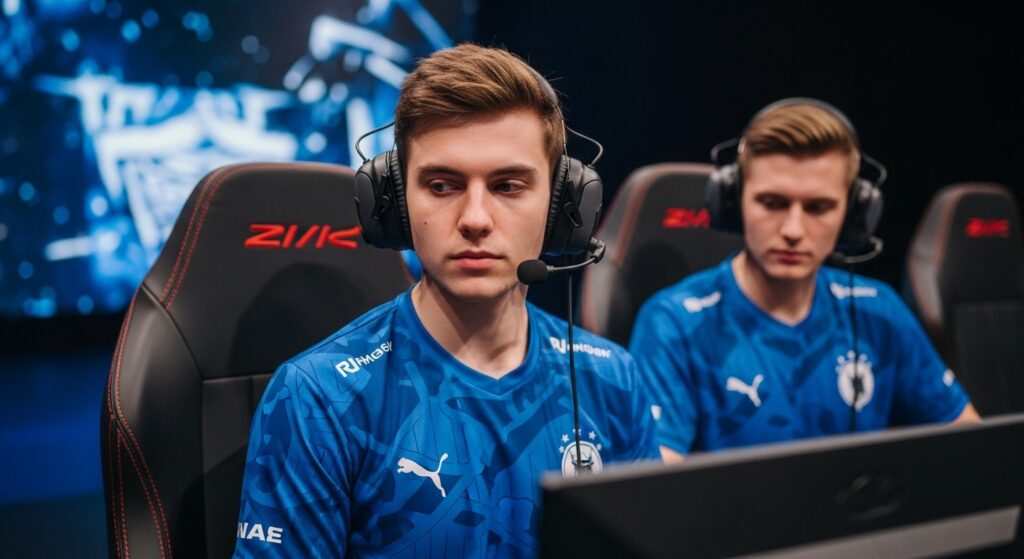

The Rise of Esports: How Competitive Gaming Became a Global Phenomenon
Esports has evolved from a niche hobby into a billion-dollar global industry, attracting millions of viewers and participants alike. Whether it’s League of Legends, Dota 2, or Counter-Strike: Global Offensive, competitive gaming is no longer something relegated to basement tournaments but a full-fledged professional scene with corporate sponsors, live-streamed events, and millions in prize money. This post explores how esports grew into the juggernaut it is today, what makes it so appealing, and the future potential it holds.
The Birth of Esports
Esports, short for electronic sports, refers to competitive video gaming where individuals or teams compete against each other for prizes, recognition, and glory. Its roots can be traced back to the early 2000s, when games like StarCraft and Warcraft III laid the foundation for organized, professional gaming. However, the rise of broadband internet and the widespread adoption of multiplayer online games accelerated the growth of competitive gaming in the mid-2000s. Games like Counter-Strike, Quake, and World of Warcraft allowed players to connect with others around the globe, leading to the first real taste of competitive gaming on a large scale.
The first major tournament events began to emerge around this time. The World Cyber Games (WCG) and the Electronic Sports World Cup (ESWC), both established in the early 2000s, were among the first to bring international competitive gaming to the forefront. These events attracted both local and global competitors, drawing in large audiences and sponsorship deals. While these early events were relatively small in comparison to today’s standards, they were pivotal in establishing esports as a legitimate competitive sport.
The Evolution of Esports Tournaments
As the years went by, esports tournaments continued to gain traction and become more organized. Games like League of Legends and Dota 2 took the competitive scene to new heights with their highly structured tournament ecosystems. The prize pools for these tournaments, once modest, began to grow exponentially, with some tournaments offering multi-million-dollar rewards.
One of the most iconic moments in esports history came with Dota 2’s International tournaments, which broke records in terms of prize money. The International, often referred to as “TI,” started in 2011 with a modest prize pool of $1 million. By 2018, the prize pool had soared to over $25 million, making it one of the highest-paying esports tournaments in history. This significant prize money, combined with a strong fan base and skillful gameplay, attracted top-tier talent from across the world, further cementing esports as a serious professional sport.
Esports: A Spectator Sport
The key to esports’ rapid rise in popularity is its ability to be not just a participant sport, but also a spectator event. Platforms like Twitch and YouTube Gaming made it possible for fans to watch their favorite players and teams compete from the comfort of their own homes. These streaming platforms allowed viewers to follow live gameplay, interact with other fans in real-time, and even influence the games through live commentary and discussion.
Watching esports is not the same as watching traditional sports. Esports fans typically engage in multiple ways: watching streams, following professional players on social media, and even attending live events in massive arenas. The rise of “content creators” or “influencers” has also fueled the growth of esports, as personalities like Ninja and Shroud have attracted millions of followers, often blurring the line between traditional entertainment and gaming.
Tournaments like League of Legends World Championship and Overwatch League draw millions of viewers every year. In fact, some esports events have even outpaced traditional sporting events in terms of viewership, with the League of Legends World Finals reaching a peak audience of over 100 million viewers in 2019. This massive global viewership shows that esports has become more than just a hobby for gamers—it’s now an entertainment juggernaut.
The Growing Esports Industry
Esports has transitioned into a fully professionalized industry with sponsorship deals, merchandise sales, team branding, and media rights, making it a multi-billion-dollar market. Esports organizations like Team Liquid, Cloud9, and Fnatic have built empires around the games they compete in. These organizations not only field professional players but also invest heavily in content creation, team management, and community engagement.
The growth of esports has attracted major corporations and brands from outside the gaming industry. Companies like Coca-Cola, Intel, Red Bull, and Audi now sponsor major esports events, reflecting the commercial viability of the sector. Advertising, broadcasting rights, ticket sales, and digital content have all become significant sources of revenue for esports companies. Even traditional sports franchises, such as the NBA and NFL, have taken notice and begun investing in esports, with many setting up their own teams or leagues.
Additionally, universities and colleges have begun offering scholarships for esports athletes, recognizing the legitimacy of competitive gaming as a career path. This move has opened doors for younger gamers to receive education while pursuing their passion, further solidifying esports as a legitimate career choice.
The Appeal of Esports: Why People Love Watching Competitive Gaming
Esports has a unique appeal that attracts a wide range of viewers. But what exactly makes it so captivating?
-
Skill and Strategy: Esports, at its core, is about skill—both in terms of quick reflexes and deep strategy. Games like Counter-Strike and Dota 2 are incredibly complex, requiring players to not only perform at the highest level but also understand complex in-game mechanics, tactics, and team coordination. Watching the best players execute strategies, pull off incredible feats, and outsmart their opponents is compelling and exciting.
-
Community: Esports thrives on its community. Fans gather to discuss strategies, cheer for their favorite teams, and analyze every moment of gameplay. The interaction between players and fans during live streams fosters a sense of belonging, allowing viewers to connect with others who share the same interests.
-
Storytelling: Like traditional sports, esports has its own heroes, underdogs, and rivalries. The stories of individual players and teams add an emotional layer to the viewing experience. Whether it’s a comeback victory or an upset win, the narrative behind the match makes the competition all the more engaging.
-
Global Reach: Esports connects people across borders. Fans from all over the world can tune into the same event and experience the same emotions, regardless of their location. With games being translated into multiple languages and with global tournaments, esports fosters a sense of unity among a diverse audience.
Esports Careers and Opportunities
The rise of esports has opened up numerous career opportunities that extend beyond playing professionally. Gamers can become content creators, streamers, analysts, coaches, shoutcasters (commentators), or event organizers. Even behind-the-scenes jobs such as marketing, management, and content production are in high demand within the esports ecosystem.
Being an esports player is not the only path to a successful career. With the increasing professionalization of the industry, players need teams of support staff to help them train, analyze their gameplay, and manage their brand. The demand for coaching, strategy analysts, and even social media managers for esports teams is high.
Moreover, educational institutions have recognized the growing importance of esports, offering degrees in fields like game design, digital media, and esports management. This creates an opportunity for students to pursue careers related to gaming, whether in game development, event coordination, or esports marketing.
Challenges Facing Esports
Despite its rapid growth, esports still faces some challenges that need to be addressed if it’s to continue its upward trajectory. One of the main issues is player burnout. The intense pressure to compete at the highest level, coupled with long practice hours and high public expectations, can take a toll on players’ mental and physical health. Many professional players experience burnout early in their careers, with some retiring by their mid-20s.
Another challenge is esports’ image. While it has gained massive popularity, there are still detractors who view gaming as a form of entertainment that doesn’t deserve the same recognition as traditional sports. Overcoming this stigma and fostering greater acceptance within mainstream culture is key to the continued expansion of esports.
Finally, regulation and cheating remain issues that need to be addressed. The use of cheat software and match-fixing has tainted some competitive scenes, leading to calls for better oversight and regulation. As the industry continues to mature, there will need to be systems in place to ensure fair play and transparency.
The Future of Esports
The future of esports looks incredibly promising. With advancements in virtual reality (VR) and augmented reality (AR), the potential for immersive experiences could redefine what we understand as competitive gaming. Additionally, the expansion into new regions such as Southeast Asia and Latin America is likely to increase global viewership and participation.
As mainstream media continues to embrace esports, we could also see more collaboration between traditional sports leagues and esports organizations. The integration of esports into existing sports media networks may further elevate its status, providing wider visibility and opportunities for brands and advertisers.
Ultimately, esports has proven to be more than just a passing trend. It has created a new form of entertainment that appeals to millions worldwide. With continued innovation, strategic investments, and a focus on player well-being, esports will likely continue to thrive for years to come.
Conclusion
Esports has come a long way since its humble beginnings, growing into a global phenomenon with a passionate fan base, massive financial backing, and immense career opportunities. Whether you’re a player, a fan, or someone interested in the industry, esports offers a wide range of possibilities. As the sector matures and continues to gain mainstream recognition, it will no doubt become an even more integral part of the global entertainment landscape, transcending its status as a niche hobby to become a legitimate, established cultural force.